2. Ion Beam Processing Principle
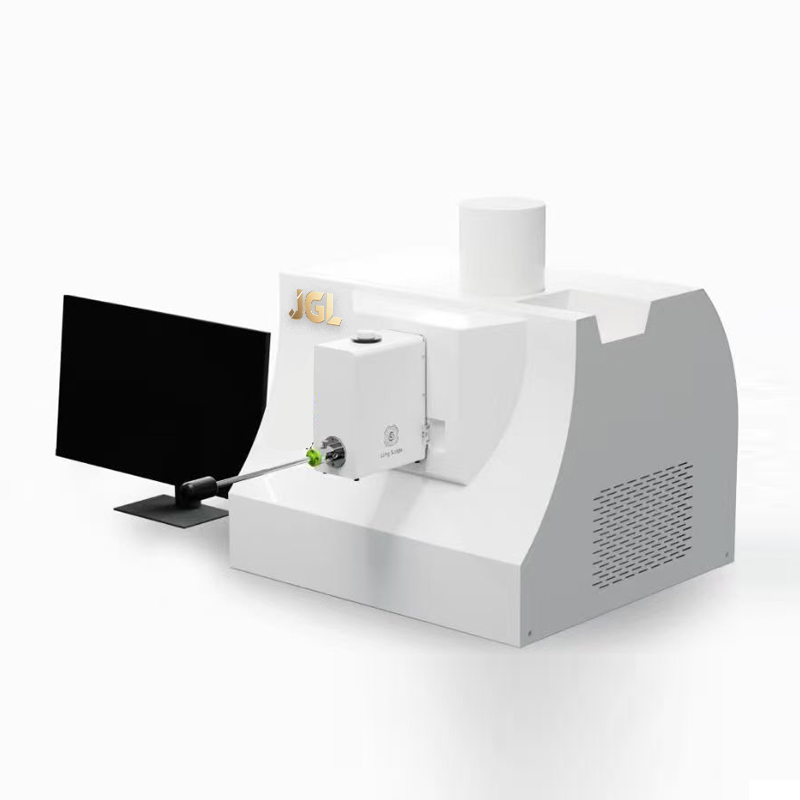
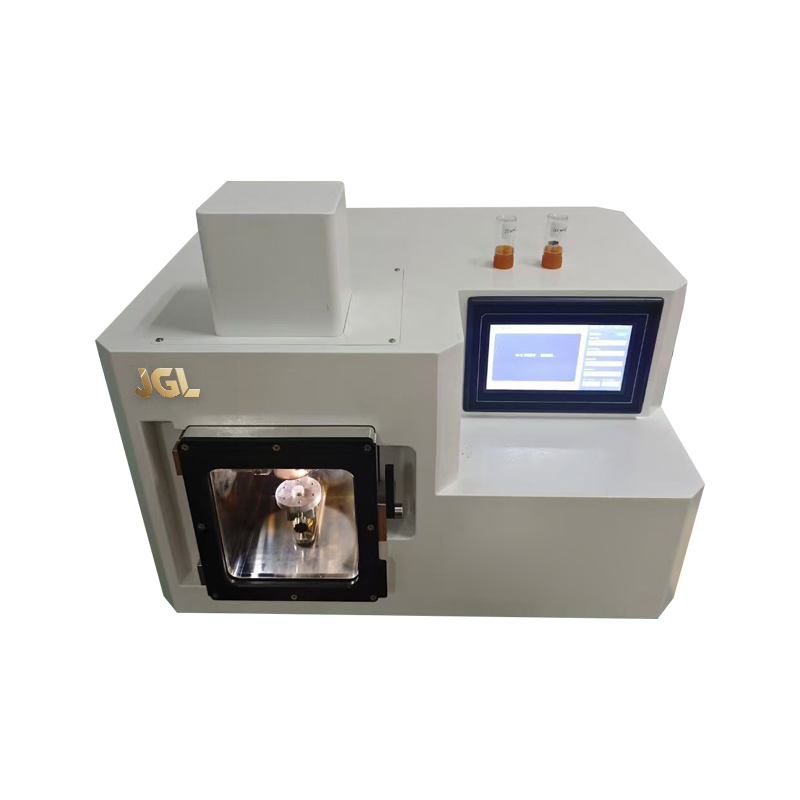
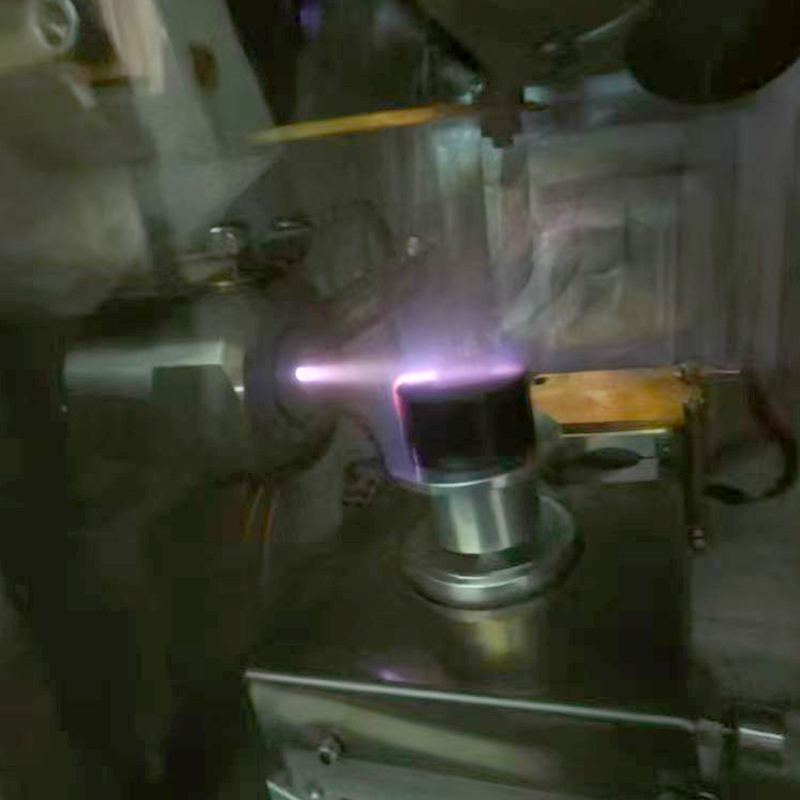
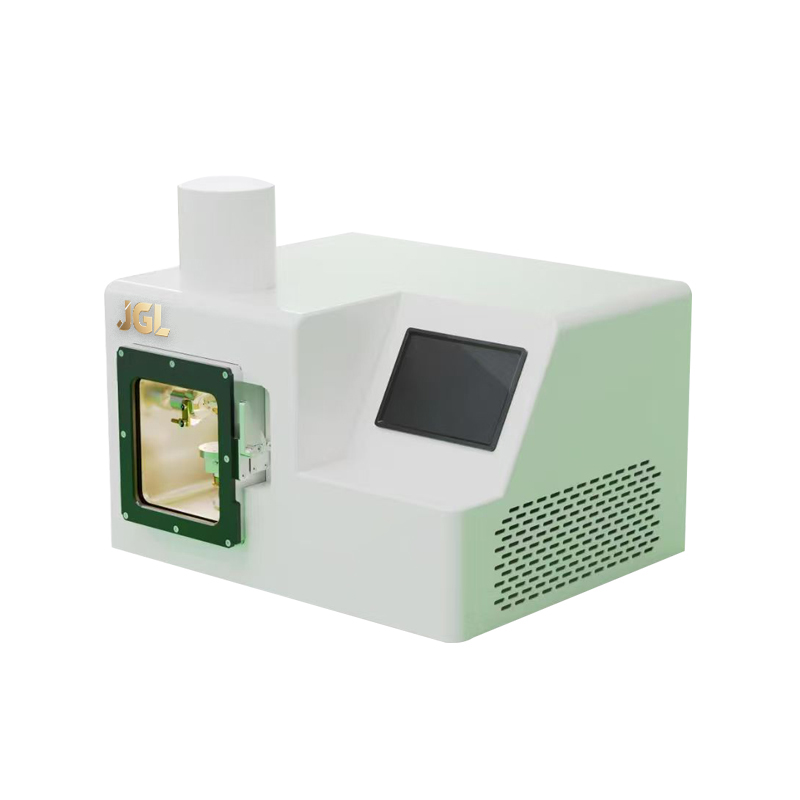
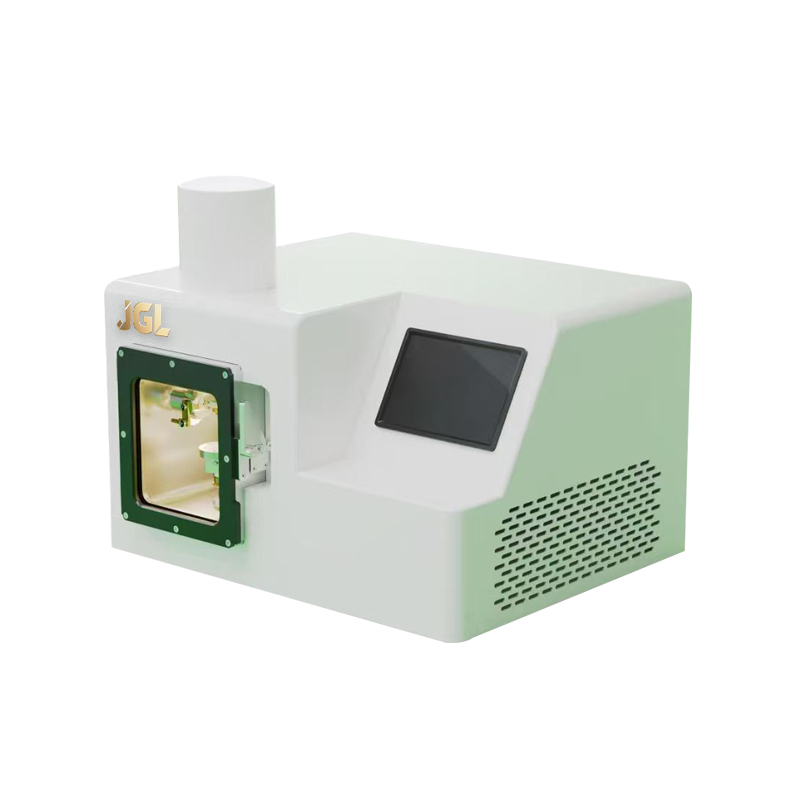
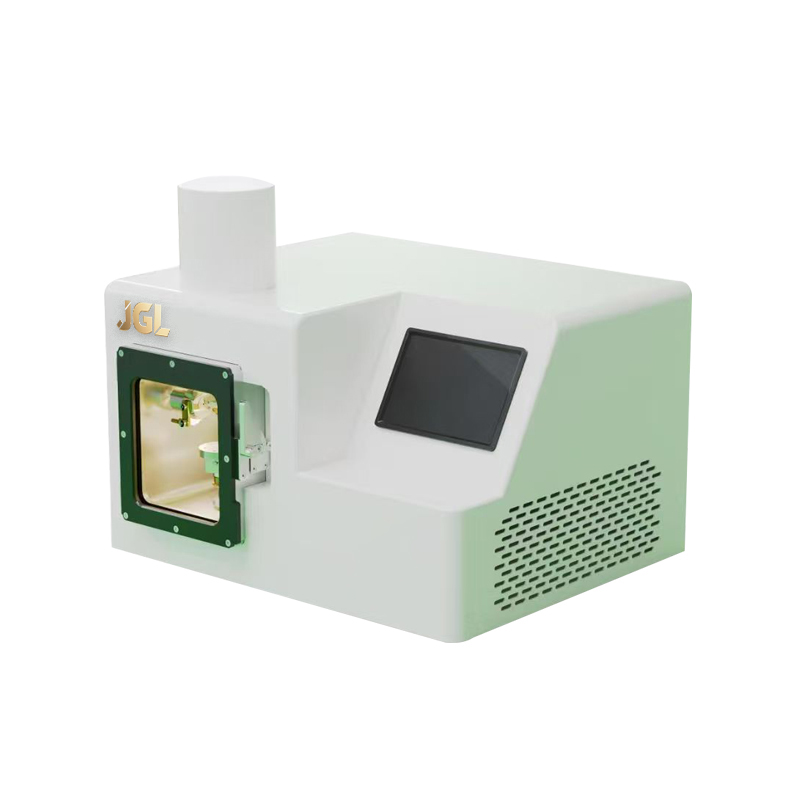
IMP220 employs a non-focused, high-energy Ar ion beam to bombard the sample surface. During processing, surface material is gradually removed through controlled ion sputtering. This approach allows material removal at a highly controlled rate, supporting nanometer-scale processing precision while minimizing mechanical stress and contamination.
3. Sample Thinning Function for TEM Preparation
The system supports controlled sample thinning to electron-transparent thickness. By precisely adjusting ion energy, incident angle, and processing time, IMP220 enables uniform thinning suitable for transmission electron microscopy observation. This function is particularly useful for preparing cross-sections and thin lamellae from metals, ceramics, semiconductors, and other solid materials.
4. Surface Polishing and Cleaning for SEM Observation
In addition to thinning, IMP220 can be used for surface polishing and surface cleaning. Ion beam polishing removes surface damage layers and improves surface flatness, while ion cleaning eliminates contaminants introduced during prior mechanical or chemical preparation steps. These capabilities enhance surface quality and contrast for scanning electron microscopy analysis.
5. Cryogenic and Vacuum Transfer Capability
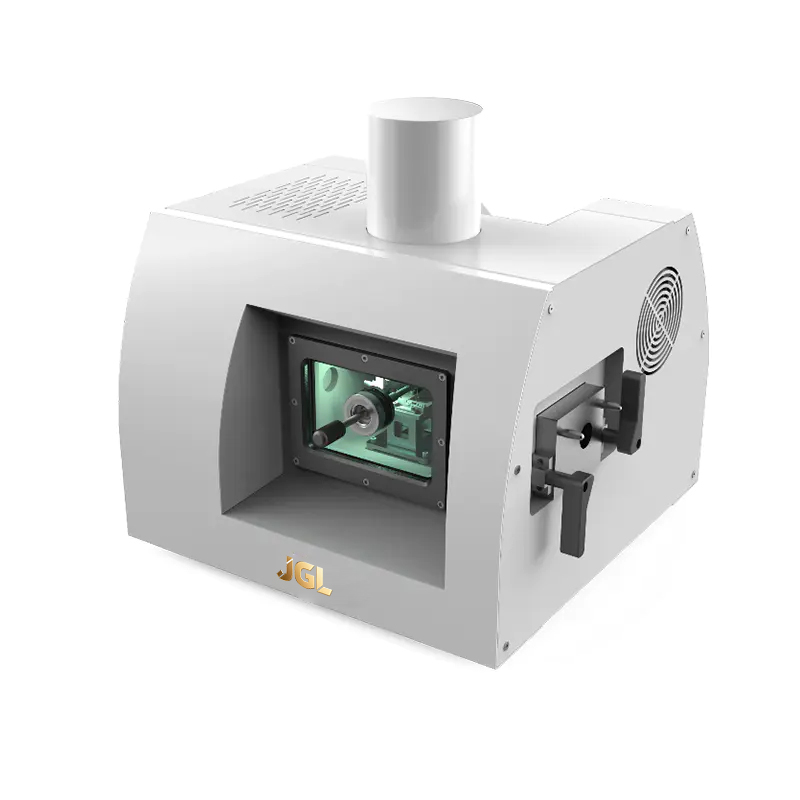
The liquid nitrogen cryogenic stage provides low-temperature processing conditions, helping to suppress thermal damage and beam-induced alterations in temperature-sensitive materials. The integrated vacuum transfer interface allows samples to be transferred between preparation and analysis systems under vacuum or cryogenic conditions, reducing contamination and oxidation.
6. Automation and Real-Time Monitoring
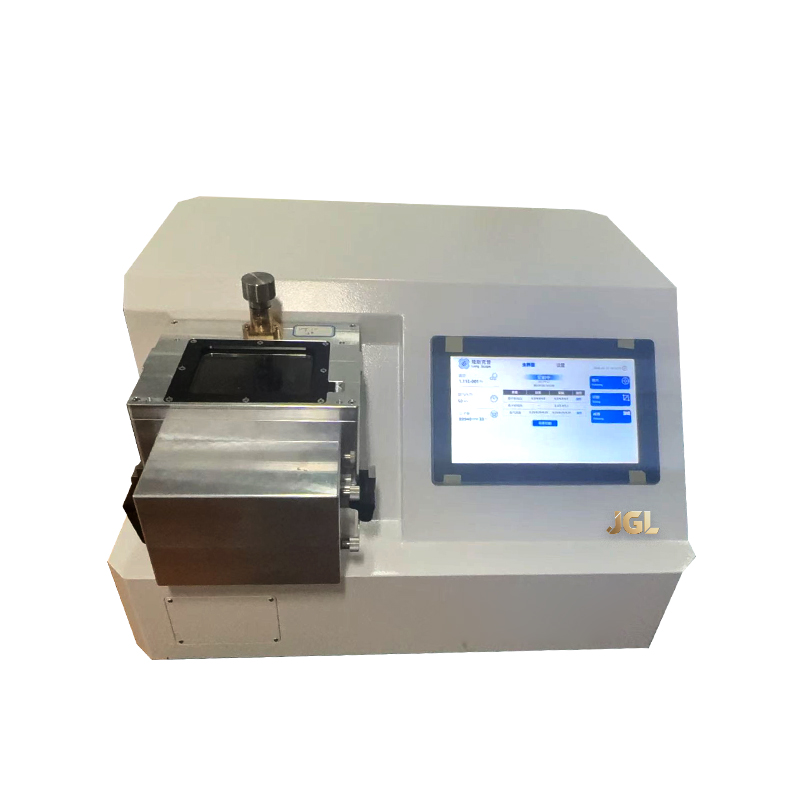
IMP220 is equipped with an automated control system that enables precise parameter setting and repeatable operation. Real-time image feedback allows users to monitor surface evolution during ion milling and polishing, supporting accurate endpoint control and improving overall preparation reliability.

 English
 Español