 English
 Español
product
product
product
product
product
product
product
product
product
product
product
product
product
product
product
product

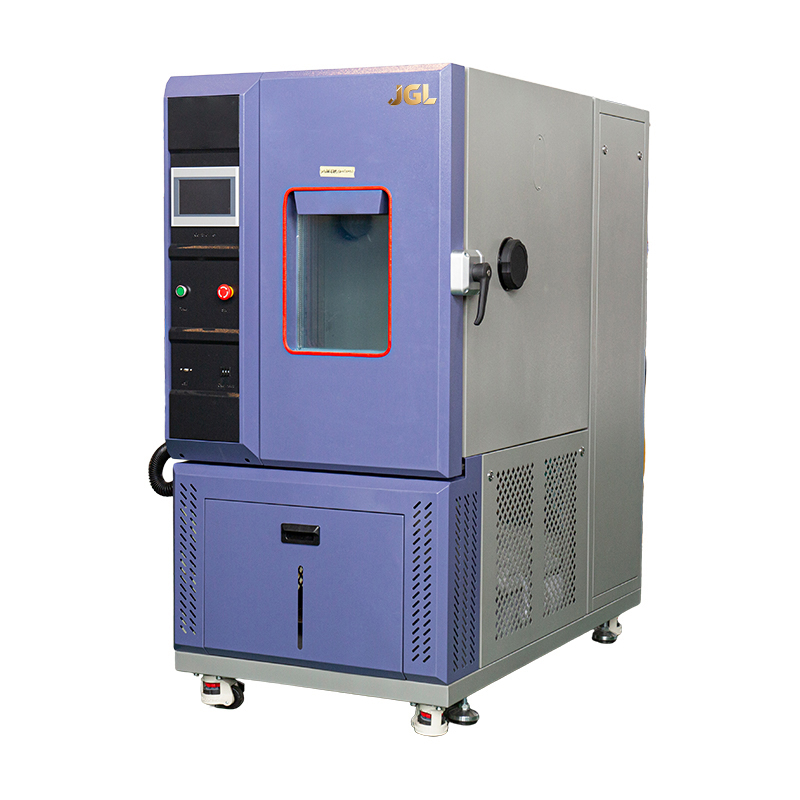
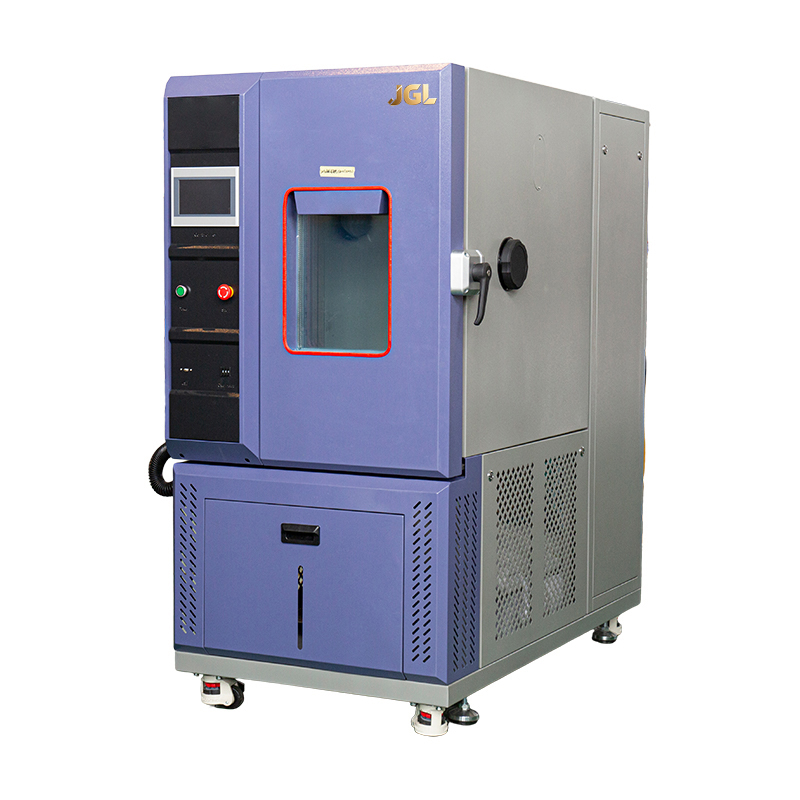
High and Low Temperature Test Chamber
Product Series
-
Environmental Test Chambers
- Double-Layer Explosion-Proof High and Low Temperature Test Chamber
- High and Low Temperature Test Chamber
- Two-Section Thermal Shock Test Chamber
- Rapid Temperature Change Humidity Test Chamber
- Cyclic High and Low Temperature Humidity Test Chamber
- Walk-In Explosion-Proof High and Low Temperature Humidity Test Chamber
- Vacuum Cryogenic Transport Device
- Electronic Test Instruments
Product Category
-
Environmental Test Chambers
- Double-Layer Explosion-Proof High and Low Temperature Test Chamber
- High and Low Temperature Test Chamber
- Two-Section Thermal Shock Test Chamber
- Rapid Temperature Change Humidity Test Chamber
- Cyclic High and Low Temperature Humidity Test Chamber
- Walk-In Explosion-Proof High and Low Temperature Humidity Test Chamber
- Vacuum Cryogenic Transport Device
- Electronic Test Instruments
Contact us
 +86-13861043568
Custom High and Low Temperature Test Chamber Manufacturers
Message Feedback
About Us
JIANGSU BAISHENG INDUSTRIAL CO., LTD.
Specializing in the research and development, as well as the
supply of laboratory equipment and safety compliance testing instruments.
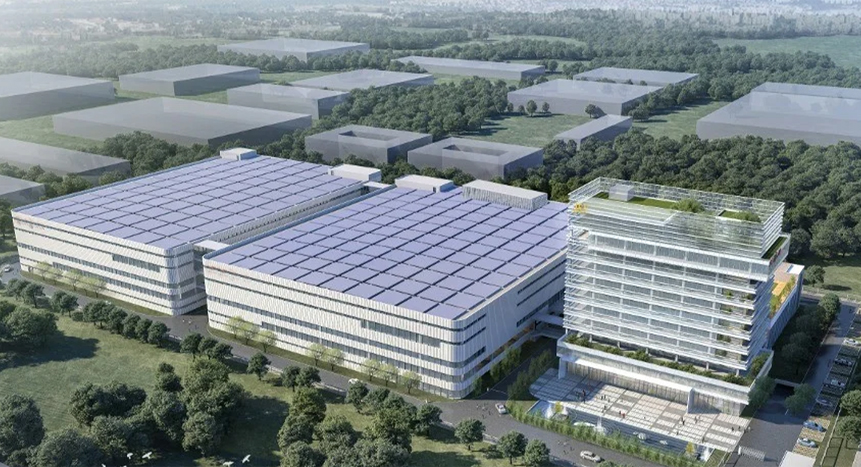
JIANGSU BAISHENG INDUSTRIAL CO., LTD. is China Custom High and Low Temperature Test Chamber Manufacturers and Environmental Stress Screening (ESS) Chamber Suppliers, a technology-driven enterprise specializing in the research, development, and supply of high-end laboratory equipment and safety testing instruments. By seamlessly integrating innovative engineering with professional international trade expertise, we have established a solid reputation within the industry. Unlike traditional trading companies, our core advantage lies in our dedicated R&D team, which focuses on precision design and technical excellence to ensure that every product meets rigorous technical specifications. We are committed to continuous innovation and the constant refinement of our product lines, providing our partners with reliable, customized solutions. We offer Custom Temperature Thermal Cycling Test Chamber for sale.
JIANGSU BAISHENG INDUSTRIAL CO., LTD.
Certificate Of Honor
What’s News
Industry Insights & Updates
View All News
-
2026-10-15Industry News
-
2026-10-08Industry News
-
2026-10-01Industry News
Industry Knowledge
Mastering Thermal Reliability: A Guide to Advanced High and Low Temperature Test Chamber Solutions
The Critical Role of Thermal Testing in Modern Engineering
In the fast-paced sectors of electronics, automotive, and aerospace, ensuring product durability under extreme thermal conditions is paramount. A High and Low Temperature Test Chamber serves as the foundational instrument in any quality assurance laboratory, designed to simulate severe hot and cold environments. By exposing materials and components to rapid thermal shifts, engineers can identify structural weaknesses, solder joint failures, and material degradation long before a product reaches the market. As a technology-driven enterprise, our dedicated R&D team focuses on precision design to ensure these systems deliver unparalleled accuracy and repeatability for rigorous technical specifications.
- Evaluating material expansion and contraction coefficients under extreme thermal stress
- Identifying latent manufacturing defects in printed circuit board assemblies (PCBAs)
- Validating product longevity and compliance with international reliability standards
Deep Dive into Environmental Stress Screening (ESS) Chamber Technology
While standard thermal testing evaluates product survivability, an Environmental Stress Screening (ESS) Chamber is specifically engineered to precipitate latent defects in production-level electronics. ESS applies rapid temperature changes—often beyond the product's actual operating limits—to force early-life failures in a controlled laboratory setting. This proactive approach significantly reduces field failure rates and warranty costs. Our continuous innovation in refrigeration and airflow design ensures that our ESS equipment provides the aggressive, uniform transitions required for effective screening without over-stressing good products.
- Utilizing highly accelerated thermal cycling to weed out infant mortality failures
- Employing advanced liquid nitrogen (LN2) or mechanical cascade cooling for ultra-fast ramp rates
- Integrating real-time data logging for precise defect tracking and process validation
Key Advantages of Implementing ESS
Implementing an ESS protocol provides manufacturers with a distinct competitive advantage by shifting from reactive quality control to proactive reliability engineering. The process not only saves costs but also builds brand authority through proven durability.
- Drastic reduction in field returns and associated customer service overhead
- Enhanced understanding of manufacturing process variations and their thermal impacts
- Increased confidence in product launch timelines due to predictable failure mode isolation
Application Dynamics of a Thermal Cycling Test Chamber
For applications requiring the repeated simulation of day-to-night or seasonal temperature variations, a Thermal Cycling Test Chamber is the ideal solution. Unlike ESS, which focuses on defect precipitation, thermal cycling is primarily concerned with evaluating the fatigue life of materials and interfaces over extended periods. This equipment meticulously controls the dwell times at temperature extremes, allowing engineers to study the cumulative effects of thermal expansion mismatch, which is critical for components like semiconductors, optoelectronics, and battery cells.
- Customizable profile programming with precise control over ramp rates and dwell durations
- Superior thermal insulation to maintain extreme temperature stability during long-duration soaks
- Equipped with specialized port interfaces for continuous electrical monitoring of test specimens
Comparative Analysis: Selecting the Optimal Temperature Cycling Test Chamber
Engineers often face the challenge of distinguishing between an ESS system and a standard Temperature Cycling Test Chamber. While both involve moving between high and low temperatures, their engineering objectives, performance parameters, and construction differ significantly. The choice between them hinges on whether the goal is to rapidly break defective units (ESS) or to gracefully study the long-term fatigue of robust products (Thermal Cycling). The table below provides a detailed comparison to guide your procurement process.
| Specification | Environmental Stress Screening (ESS) Chamber | Temperature Cycling Test Chamber |
| Primary Objective | Precipitation of latent manufacturing defects | Evaluation of long-term thermal fatigue life |
| Temperature Transition Rate | Ultra-fast (10°C to 30°C per minute or higher) | Moderate (1°C to 10°C per minute) |
| Typical Application | Production line screening of PCBs and electronics | R&D material analysis and component qualification |
| Dwell Time | Short (minimal soak time at extremes) | Extended (prolonged soak to ensure uniform thermal penetration) |
| Cooling Method | Often requires LN2 assist for extreme speed | Standard mechanical cascade refrigeration is typically sufficient |
Engineering Excellence and Customized Solutions
The true value of a High and Low Temperature Test Chamber is determined by the engineering excellence behind its construction. Unlike traditional trading companies, a manufacturer with a dedicated R&D team can seamlessly integrate innovative engineering with practical laboratory requirements. We focus on precision design, utilizing high-quality compressors, eco-friendly refrigerants, and advanced PID controllers to guarantee that every unit meets rigorous technical specifications. Our commitment to continuous innovation means we provide our partners with reliable, customized solutions tailored to unique footprint constraints, specific voltage requirements, or specialized testing interfaces.
- In-house designed refrigeration systems optimized for energy efficiency and low noise operation
- Modular architectural designs allowing for easy future upgrades and maintenance access
- Rigorous factory acceptance testing (FAT) with certified calibration documentation for all delivered units
FAQ
What is the difference between a High and Low Temperature Test Chamber and a climate chamber?
While both are types of environmental testing equipment, a High and Low Temperature Test Chamber strictly controls thermal parameters (heat and cold) without the ability to actively manipulate moisture. A climate chamber, on the other hand, integrates humidity control systems to simulate combined temperature and humidity environments. For pure thermal shock, cycling, or ESS applications where moisture is not a primary test variable, a dedicated high-low temperature unit provides faster ramp rates, simpler maintenance, and more precise thermal control.
How fast should the transition rate be in an Environmental Stress Screening (ESS) Chamber?
The ideal transition rate in an Environmental Stress Screening (ESS) Chamber depends on the specific screening profile dictated by your product's failure modes and relevant standards (such as MIL-STD-2164 or JEDEC JESD22-A104). Generally, effective ESS requires rapid rates ranging from 10°C to 30°C per minute. Achieving these aggressive rates often necessitates advanced mechanical cascade refrigeration augmented by liquid nitrogen (LN2) injection systems to ensure the chamber can maintain the required thermal shock without excessive mechanical wear.
Can a Thermal Cycling Test Chamber be used for HALT testing?
While both HALT (Highly Accelerated Life Testing) and thermal cycling subject products to extreme temperatures, they are not entirely interchangeable. A standard Thermal Cycling Test Chamber is designed for deterministic, profile-driven testing to measure specific fatigue limits. HALT, however, is a stochastic discovery process that combines rapid thermal cycling with multi-axis vibration. Unless the thermal cycling chamber is specifically engineered with reinforced structures, specialized vibration isolation interfaces, and extreme cooling capabilities, it should not be used as a substitute for a dedicated HALT system.
What maintenance is required to keep a Temperature Cycling Test Chamber operating efficiently?
To ensure the long-term accuracy and reliability of a Temperature Cycling Test Chamber, a strict preventive maintenance schedule must be observed. This includes regularly cleaning the condenser coils to maintain optimal heat exchange efficiency, inspecting door gaskets for wear to prevent thermal leakage, and calibrating temperature sensors and PID controllers at least once a year. Additionally, monitoring refrigerant pressures and inspecting the compressor oil levels are critical steps to prevent catastrophic refrigeration system failures during long-duration test cycles.
How does customized engineering improve the performance of thermal testing equipment?
Customized engineering, driven by a dedicated R&D team, ensures that the testing equipment aligns perfectly with the user's specific operational workflow and technical requirements. Rather than forcing a standardized product to fit a non-standard application, customized solutions can optimize internal airflow patterns for uniform temperature distribution on irregularly shaped test payloads, integrate specialized cable ports for in-situ electrical testing, or modify the chamber footprint to maximize cleanroom space utilization. This precision design approach ultimately yields more reliable test data and lower total cost of ownership.
Quick Link
Contact Information
- Tel: +86-13861043568
- E-mail: 1840784112@qq.com
- Add: Tianting District, Changzhou City, Jiangsu Province, China, No. 6 Hecircuit
Scan Code
Copyright © JIANGSU BAISHENG INDUSTRIAL CO., LTD.
All Rights Reserved. PrivacyCustom Temperature Thermal Cycling Test Chamber Suppliers
