 English
 Español
product
product
product
product
product
product
product
product
product
product
product
product
product
product
product
product

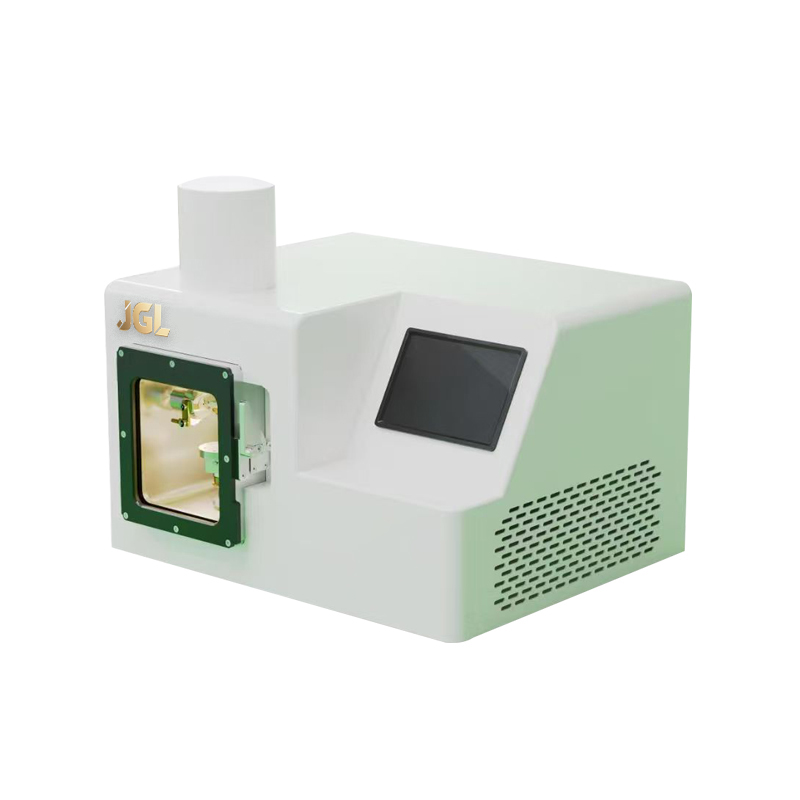
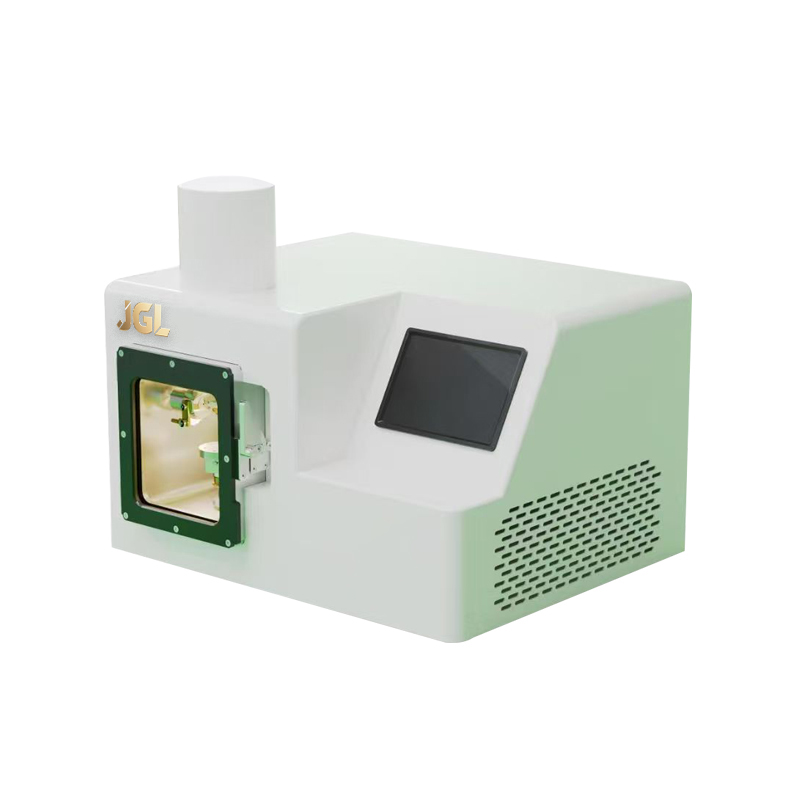
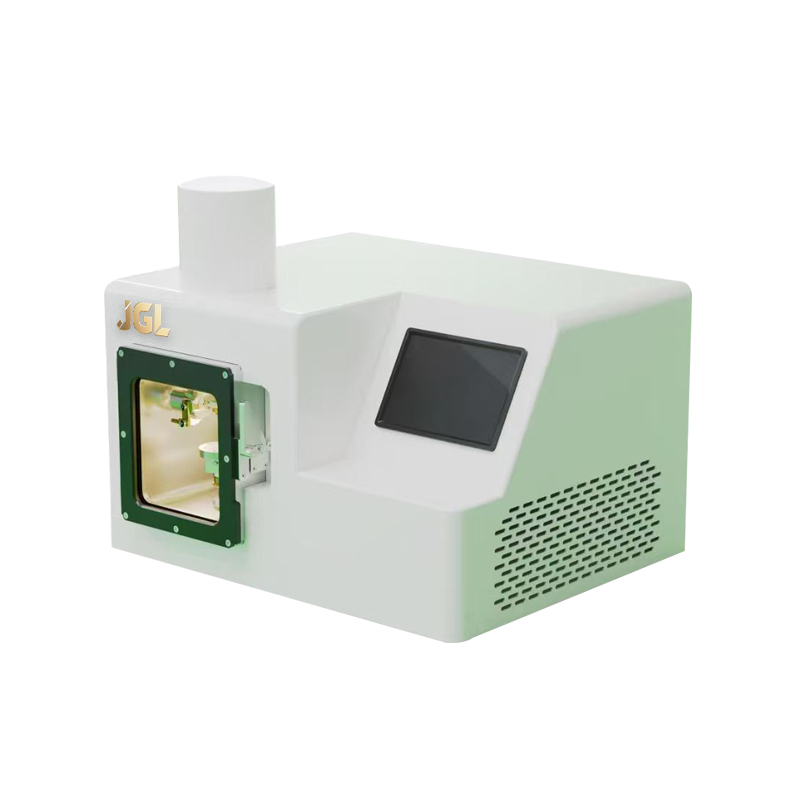
Ion Beam Etching Deposition and Polishing System
Home / Products / Vacuum Cryogenic Transport Device / Ion Beam Etching Deposition and Polishing System
Product Series
-
Environmental Test Chambers
- Double-Layer Explosion-Proof High and Low Temperature Test Chamber
- High and Low Temperature Test Chamber
- Two-Section Thermal Shock Test Chamber
- Rapid Temperature Change Humidity Test Chamber
- Cyclic High and Low Temperature Humidity Test Chamber
- Walk-In Explosion-Proof High and Low Temperature Humidity Test Chamber
- Vacuum Cryogenic Transport Device
- Electronic Test Instruments
Product Category
-
Environmental Test Chambers
- Double-Layer Explosion-Proof High and Low Temperature Test Chamber
- High and Low Temperature Test Chamber
- Two-Section Thermal Shock Test Chamber
- Rapid Temperature Change Humidity Test Chamber
- Cyclic High and Low Temperature Humidity Test Chamber
- Walk-In Explosion-Proof High and Low Temperature Humidity Test Chamber
- Vacuum Cryogenic Transport Device
- Electronic Test Instruments
Contact us
 +86-13861043568
Custom Ion Beam Etching Coating and Polishing System Manufacturers
Message Feedback
About Us
JIANGSU BAISHENG INDUSTRIAL CO., LTD.
Specializing in the research and development, as well as the
supply of laboratory equipment and safety compliance testing instruments.
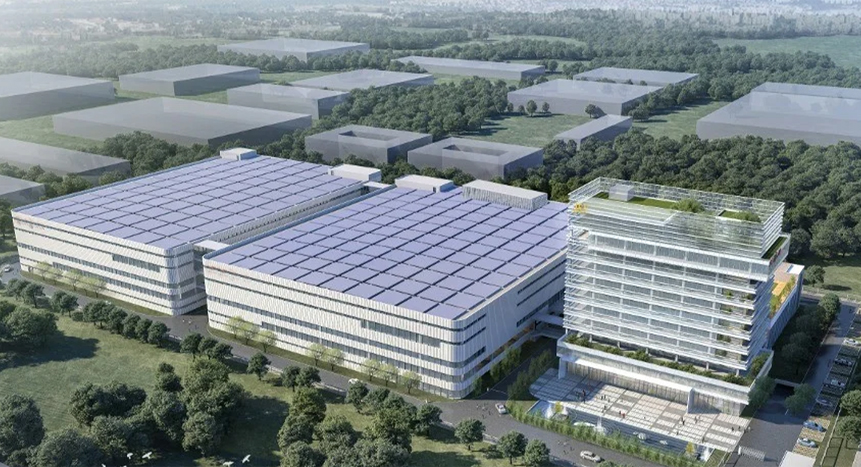
JIANGSU BAISHENG INDUSTRIAL CO., LTD. is China Custom PECS (Precision Etching Coating System) Manufacturers and Ion Beam Etching Coating and Polishing System Suppliers, a technology-driven enterprise specializing in the research, development, and supply of high-end laboratory equipment and safety testing instruments. By seamlessly integrating innovative engineering with professional international trade expertise, we have established a solid reputation within the industry. Unlike traditional trading companies, our core advantage lies in our dedicated R&D team, which focuses on precision design and technical excellence to ensure that every product meets rigorous technical specifications. We are committed to continuous innovation and the constant refinement of our product lines, providing our partners with reliable, customized solutions. We offer Custom PECS (Precision Etching Coating System) for sale.
JIANGSU BAISHENG INDUSTRIAL CO., LTD.
Certificate Of Honor
What’s News
Industry Insights & Updates
View All News
-
2026-10-15Industry News
-
2026-10-08Industry News
-
2026-10-01Industry News
Industry Knowledge
Why the "Precision Etching" Function of a PECS System Is the Prerequisite for Observing the True Surface Morphology of Multiphase Materials
In materials science research, observing the authentic morphology of multiphase materials—such as metal alloys, ceramic composites, or semiconductor multilayer structures—poses a significant challenge. While traditional mechanical polishing makes a surface appear bright, it often causes deep-seated damage that masks the material's true nature. The precision etching function of the PECS (Precision Etching Coating System) is indispensable due to the following core values:
- Elimination of the Mechanical Damage Layer (Beilby Layer): Mechanical polishing creates a layer of plastic deformation, known as the Beilby layer, on the sample surface. Precision etching uses a controlled ion beam to physically strip away this damaged layer (typically dozens of nanometers thick), exposing the underlying grain boundaries, precipitates, and authentic dislocation structures.
- Enhancement of Phase Contrast: Different components within multiphase materials exhibit varying resistance to ion beam etching. Through precision etching, slight differences in etching depth are created between different phases, resulting in distinct topographic contrast under the electron microscope. This allows researchers to clearly identify the distribution of secondary phases without the need for chemical etchants.
- Thorough Removal of Surface Contaminants and Oxide Films: For nano-scale observations, even an extremely thin oxide layer or carbon contamination can lead to blurred imaging. PECS ensures the sample is in its purest state before observation by performing in-situ etching within the Ion Beam Etching, Deposition and Polishing System.
As a technology-driven enterprise, JIANGSU BAISHENG INDUSTRIAL CO., LTD. understands that precision sample preparation is a decisive factor in the accuracy of scientific data. Unlike traditional trading companies, we possess a professional R&D team focused on precision design and technical excellence. In the development of our PECS systems, we optimize ion source energy distribution and incident angle control to ensure the equipment removes damage without introducing secondary thermal artifacts, providing high-end preparation solutions that meet rigorous technical specifications.
Technical Parameter Comparison: PECS Precision Etching vs. Traditional Chemical/Mechanical Polishing
| Evaluation Dimension | PECS Precision Etching (JIANGSU BAISHENG) | Traditional Chemical/Mechanical Polishing | Impact on Microscopic Observation |
| Surface Integrity | No plastic deformation; no chemical residues. | Deformation layers present; potential over-etching. | Determines the resolution of grain boundaries and nanopatches. |
| Selectivity Control | Physical stripping; contrast adjustable via angle. | Dependent on reagents; difficult to quantify. | PECS is superior for quantitative phase distribution analysis. |
| Contamination Level | High-vacuum dry process; extremely clean. | Prone to residual acids, bases, or abrasives. | Affects imaging clarity at high magnifications. |
| Applicability | Broadly suitable for metals, ceramics, and composites. | Requires specific chemical reagents for different materials. | Improves lab efficiency in handling diverse sample types. |
Frequently Asked Questions (FAQ)
Q1: Why is in-situ coating immediately after PECS etching vital for non-conductive samples?
A1: The surface activity after etching is extremely high, making it prone to adsorbing molecules from the air. The R&D team at JIANGSU BAISHENG INDUSTRIAL CO., LTD. emphasizes the importance of in-situ processing. Completing etching and coating within the same vacuum chamber prevents re-oxidation and ensures the conductive film bonds perfectly with the fresh surface, completely eliminating charging effects and meeting the rigorous technical specifications of JIANGSU BAISHENG.
Q2: How does JIANGSU BAISHENG INDUSTRIAL CO., LTD. balance etching efficiency with sample thermal protection?
A2: Our core advantage lies in R&D-driven precision design. JIANGSU BAISHENG INDUSTRIAL CO., LTD. employs unique intermittent pulsed beam technology and high-efficiency thermal conduction sample stages. By reducing heat accumulation from ion bombardment, even heat-sensitive polymer samples can undergo precision etching without melting or deformation, demonstrating our commitment to technical excellence.
Q3: What are the advantages of JIANGSU BAISHENG INDUSTRIAL CO., LTD. PECS compared to products from traditional traders?
A3: The difference lies in our technical foundation. As an enterprise committed to continuous innovation, JIANGSU BAISHENG INDUSTRIAL CO., LTD. provides more than just hardware; we provide customized solutions. Our R&D team can adjust ion beam algorithms for specific multiphase materials, ensuring every research partner obtains the most authentic surface morphology rather than a damaged, false image.
How the System Eliminates Amorphous Damage via "Ion Beam Voltage" Regulation During the Precision Polishing Stage
In the process of preparing high-quality microscopic analysis samples, high-energy ion beams (such as 5kV-10kV) can quickly remove material but also cause deep penetration into the crystal lattice due to high kinetic energy, resulting in an "amorphous damage layer" several dozen nanometers thick. The core mechanism of the Ion Beam Etching Coating and Polishing System to eliminate such damage lies in the fine regulation of the "ion beam voltage":
- Minimizing Penetration Depth: The penetration depth of ions is proportional to the acceleration voltage. During the precision polishing stage, the system significantly reduces the voltage (typically to 100eV - 500eV). These low-energy ions only reach the topmost atomic layers of the sample, gradually removing the amorphous material generated by previous high-energy beams through gentle physical stripping.
- Reducing Momentum Transfer and Lattice Perturbation: Low voltage means the kinetic energy of ions hitting the surface is smaller. This low-energy bombardment is insufficient to displace atoms within the crystal or generate new dislocations, thereby stopping the production of new damage.
- Synergy with Grazing Incidence Angles: In a low-voltage state, the system usually coordinates with extremely small incident angles. This combination of "low energy + small angle" works like a scalpel to smoothly refine the surface and restore the lattice integrity of the material.
As a technology-driven enterprise, JIANGSU BAISHENG INDUSTRIAL CO., LTD. recognizes the critical importance of nano-scale sample preparation for the authenticity of scientific data. Unlike traditional trading companies, we have a dedicated R&D team focused on precision design and technical excellence. In the development of the Ion Beam Etching Coating and Polishing System, we have introduced extremely stable low-voltage control modules, ensuring the equipment can seamlessly switch from high-energy etching to sub-micron precision polishing, providing reliable and customized solutions that meet rigorous technical specifications for our global partners.
Technical Parameter Comparison: High-Energy Etching vs. Low-Energy Precision Polishing
| Processing Stage | Ion Beam Voltage | Amorphous Layer Thickness | Surface Roughness (Ra) | Core Purpose |
| High-Energy Etching | 2.0 kV - 10.0 kV | 15 nm - 50 nm | Nano-scale (1.0 - 5.0 nm) | Large-scale material removal, cross-section preparation. |
| Precision Polishing | 0.1 kV - 0.5 kV (JIANGSU BAISHENG Standard) | < 1 nm | Atomic-level (< 0.2 nm) | Damage elimination, enhancing EBSD/TEM quality. |
| Comparison Conclusion | Voltage reduced by over 90% | Damage reduced by over 95% | Flatness improved 10x | An indispensable final step. |
Frequently Asked Questions (FAQ)
Q1: Why can't low voltage be used throughout the entire etching process?
A1: While low voltage causes less damage, its etching rate is extremely slow. The R&D team at JIANGSU BAISHENG INDUSTRIAL CO., LTD. has optimized system algorithms to achieve automatic energy gradient switching. By combining high-voltage rapid shaping with low-voltage terminal repair, we significantly improve sample preparation efficiency while maintaining technical excellence.
Q2: How does JIANGSU BAISHENG INDUSTRIAL CO., LTD. ensure ion beam focus stability at low voltages?
A2: This has always been a challenge in the industry. JIANGSU BAISHENG INDUSTRIAL CO., LTD., with its R&D team specializing in precision design, has developed proprietary ion-optical lens compensation technology. Even at extremely low acceleration voltages, the beam maintains excellent focusing characteristics, ensuring precise control of the polishing area and meeting rigorous technical specifications.
Q3: What solutions does JIANGSU BAISHENG INDUSTRIAL CO., LTD. offer for materials that are heat-sensitive or prone to amorphization?
A3: We are committed to providing customized solutions through continuous innovation. For such materials, JIANGSU BAISHENG INDUSTRIAL CO., LTD. can configure the system with a liquid nitrogen cooling stage. Combined with our ultra-low voltage polishing process, this minimizes thermal effects and ion-induced structural changes, ensuring the most authentic and original microscopic state of the material is captured.
Quick Link
Contact Information
- Tel: +86-13861043568
- E-mail: 1840784112@qq.com
- Add: Tianting District, Changzhou City, Jiangsu Province, China, No. 6 Hecircuit
Scan Code
Copyright © JIANGSU BAISHENG INDUSTRIAL CO., LTD.
All Rights Reserved. PrivacyCustom PECS (Precision Etching Coating System) Suppliers
