 English
 Español
product
product
product
product
product
product
product
product
product
product
product
product
product
product
product
product

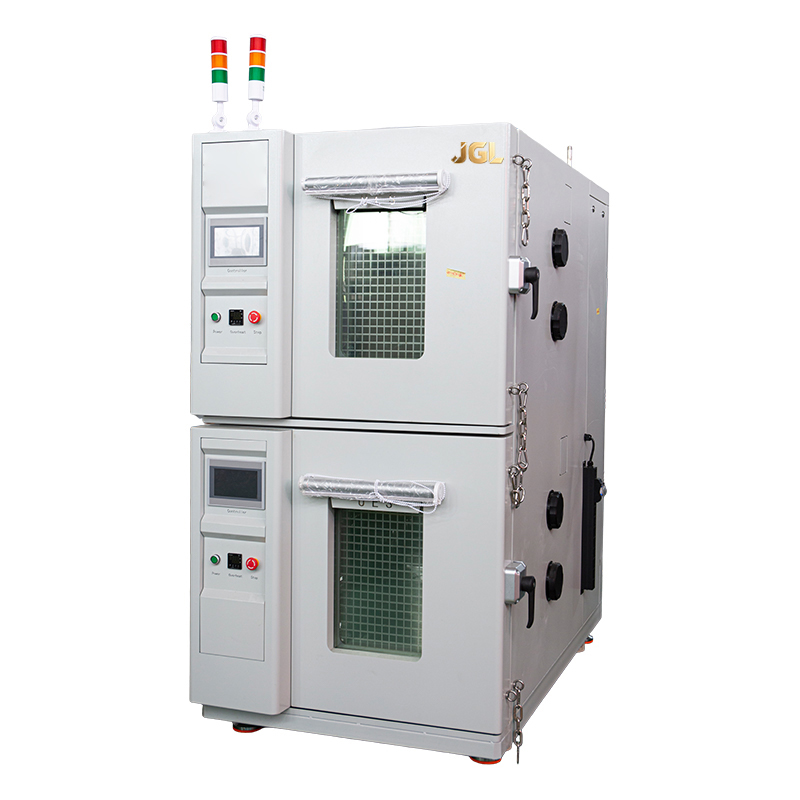
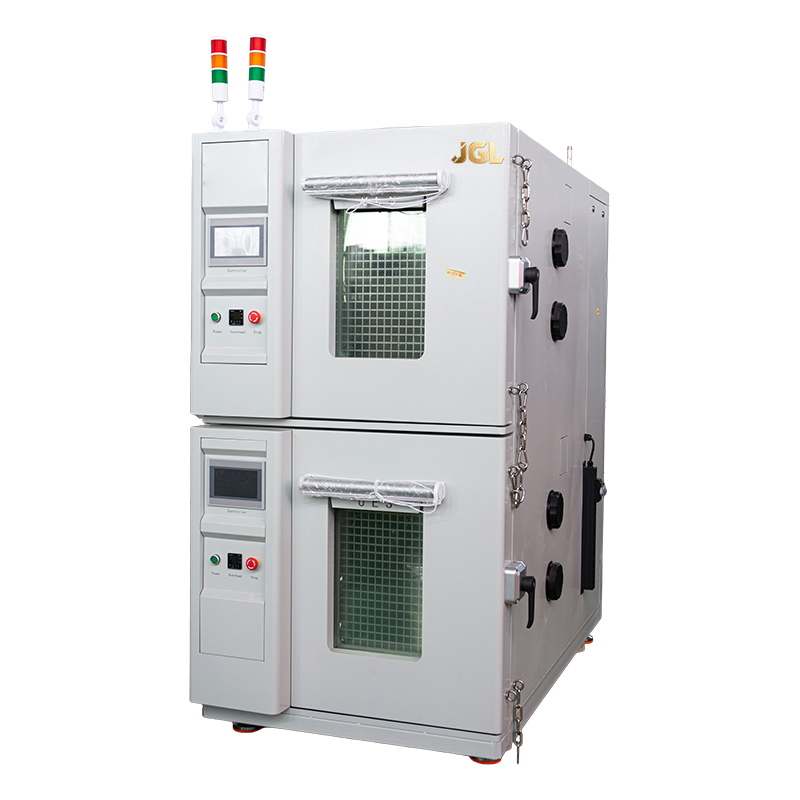
Double-Layer Explosion-Proof High and Low Temperature Test Chamber
Home / Products / Environmental Test Chambers / Double-Layer Explosion-Proof High and Low Temperature Test Chamber
Product Series
-
Environmental Test Chambers
- Double-Layer Explosion-Proof High and Low Temperature Test Chamber
- High and Low Temperature Test Chamber
- Two-Section Thermal Shock Test Chamber
- Rapid Temperature Change Humidity Test Chamber
- Cyclic High and Low Temperature Humidity Test Chamber
- Walk-In Explosion-Proof High and Low Temperature Humidity Test Chamber
- Vacuum Cryogenic Transport Device
- Electronic Test Instruments
Product Category
-
Environmental Test Chambers
- Double-Layer Explosion-Proof High and Low Temperature Test Chamber
- High and Low Temperature Test Chamber
- Two-Section Thermal Shock Test Chamber
- Rapid Temperature Change Humidity Test Chamber
- Cyclic High and Low Temperature Humidity Test Chamber
- Walk-In Explosion-Proof High and Low Temperature Humidity Test Chamber
- Vacuum Cryogenic Transport Device
- Electronic Test Instruments
Contact us
 +86-13861043568
Custom Battery Explosion-Proof Test Chamber Manufacturers
Message Feedback
About Us
JIANGSU BAISHENG INDUSTRIAL CO., LTD.
Specializing in the research and development, as well as the
supply of laboratory equipment and safety compliance testing instruments.
JIANGSU BAISHENG INDUSTRIAL CO., LTD. is China Custom Battery Explosion-Proof Test Chamber Manufacturers and Explosion Proof Test Chamber Suppliers, a technology-driven enterprise specializing in the research, development, and supply of high-end laboratory equipment and safety testing instruments. By seamlessly integrating innovative engineering with professional international trade expertise, we have established a solid reputation within the industry. Unlike traditional trading companies, our core advantage lies in our dedicated R&D team, which focuses on precision design and technical excellence to ensure that every product meets rigorous technical specifications. We are committed to continuous innovation and the constant refinement of our product lines, providing our partners with reliable, customized solutions. We offer Custom ATEX Test Chamber for sale.

JIANGSU BAISHENG INDUSTRIAL CO., LTD.
Certificate Of Honor
What’s News
Industry Insights & Updates
View All News
-
2026-10-15Industry News
-
2026-10-08Industry News
-
2026-10-01Industry News
Industry Knowledge
Ensuring Safety and Compliance: The Definitive Guide to Battery Explosion-Proof Test Chambers
As the global energy transition accelerates toward electrification, the safe handling and validation of lithium-ion and novel chemistry batteries has emerged as a paramount engineering challenge. The uncontrolled failure of a single cell—whether due to internal short circuit, overcharge, or mechanical abuse—can initiate a catastrophic thermal runaway event characterized by rapid venting, electrolyte ignition, and explosive pressure release. To safely characterize these failure modes without endangering laboratory personnel or infrastructure, a specialized category of containment equipment is essential. This guide provides an in-depth technical exploration of the Battery Explosion-Proof Test Chamber, examining its design philosophy, regulatory framework, and critical role as both a safety barrier and a precision research instrument.
Beyond simple containment, modern Explosion Proof Test Chamber systems serve as integrated environmental simulators. They allow engineers to induce failure deliberately under controlled temperature and humidity conditions, capturing high-speed data to improve Battery Management Systems (BMS) and cell design. Understanding the nuances between general industrial safety enclosures and high-precision ATEX Test Chamber compliant systems is vital for any laboratory engaged in battery research, production quality control, or regulatory certification.
1. Understanding the Mechanics of Thermal Runaway Containment
A Battery Explosion-Proof Test Chamber is fundamentally different from a standard environmental chamber or a simple blast box. While a standard chamber merely regulates temperature, and a blast box merely contains shrapnel, a true battery safety test chamber must manage a complex, multi-physics event: rapid gas expansion (explosion pressure), sustained combustion of flammable electrolyte vapors (fire), and the release of toxic particulates (venting). The design must withstand transient pressure spikes that can exceed several bar while maintaining a hermetic seal to prevent the escape of hydrogen fluoride (HF) and carbon monoxide.
The engineering priorities for these chambers are defined by the worst-case scenario of a fully charged cell or module entering thermal runaway. Key containment and safety integration features include:
- Reinforced Pressure Vessel Design: Unlike standard sheet metal cabinets, these chambers utilize thick-gauge stainless steel (typically SUS304 or SUS316L) with internal ribbing and finite element analysis (FEA) validated door interlocks to resist permanent deformation during an internal deflagration.
- Active Fire Suppression and Inerting: Integrated nitrogen purge systems automatically activate upon detection of off-gas (VOC sensors) to displace oxygen and suppress secondary fires. Some high-end Explosion Proof Test Chamber models incorporate water mist or CO2 suppression as a secondary safety tier.
- Rupture Disc and Pressure Relief Path: A precisely calibrated rupture disc is the primary pressure relief mechanism. It vents the overpressure through a filtration and scrubbing system before releasing clean gas to the facility exhaust, preventing chamber rupture while capturing toxins.
- Post-Event Filtration: Activated carbon and HEPA filters are integrated into the exhaust path to scrub vented gases of particulates and volatile organic compounds (VOCs), ensuring compliance with occupational exposure limits for toxic electrolyte decomposition products.
The distinction between a standard safety cabinet and a true ATEX Test Chamber or battery-specific vessel is critical. The following comparison outlines the functional and safety gap between different enclosure types used in battery testing workflows.
| Feature / Capability | Standard Environmental Chamber | Standard Safety Cabinet / Blast Box | Battery Explosion-Proof Test Chamber |
| Primary Function | Temperature/Humidity Cycling | Physical Fragment Containment | Controlled Failure Analysis & Safety |
| Pressure Resistance Rating | Atmospheric (No Rating) | Low (Static pressure only) | High (Rated to specific bar/psi deflagration) |
| Gas Tightness / Hermetic Seal | Low (Ambient air exchange) | Moderate (Not gas-tight) | High (Tested for leak rate; prevents HF escape) |
| Integrated Safety Logic | Over-temp alarm only | None/Passive | Active: VOC Trigger > N2 Purge > Exhaust Scrub |
| Suitability for EU Conformity | Low Voltage/Machinery Directives | Basic Machinery Safety | Compliance Path for ATEX Test Chamber Zone 2 or associated equipment standards |
2. Technical Specifications and ATEX/IECEx Compliance Pathways
For laboratories operating within the European Union or those adhering to global best practices for hazardous area equipment, the term ATEX Test Chamber is frequently referenced. It is crucial to clarify that the chamber itself is typically not "ATEX certified" as a piece of equipment for use inside a Zone 0/1 environment; rather, it is a "Protective System" or "Component" designed and assessed according to the Essential Health and Safety Requirements (EHSRs) of ATEX Directive 2014/34/EU. Specifically, these chambers are engineered to prevent the ignition source (the battery inside) from transmitting an explosion to the external atmosphere.
When evaluating a Battery Explosion-Proof Test Chamber for compliance, the following technical attributes are non-negotiable for achieving safety integrity:
- Mechanical Strength and Flame Path Control: The chamber must withstand the internal explosion pressure without rupturing. Furthermore, any gaps (flame paths) at door seals must be engineered to be sufficiently narrow and long such that hot gases escaping are cooled below the ignition temperature of the external atmosphere. This principle aligns with flameproof enclosure concepts (Ex 'd').
- Electrical Safety and Interlocks: All electrical components within the hazardous zone (inside the chamber) must be either intrinsically safe (Ex 'i') or, more commonly, the chamber is purged and pressurized (Ex 'p') to maintain an internal non-hazardous atmosphere relative to the electrical equipment. Safety interlocks ensure power to the battery cycler is cut immediately if door integrity is compromised or if VOC levels spike.
- Exhaust Gas Scrubbing Efficiency: An Explosion Proof Test Chamber designed for lithium-ion applications must effectively neutralize hydrogen fluoride (HF) gas. This is typically achieved via a wet scrubber or a dry chemical adsorption tower integrated downstream of the chamber exhaust.
- Temperature Uniformity Under Hazardous Conditions: Even during a high-heat abuse test (e.g., 130°C Hot Box simulation), the chamber's heating elements must be shielded or designed such that their surface temperature does not become an unintended ignition source before the cell fails.
3. Essential Testing Protocols Performed Inside Battery Safety Chambers
A Battery Explosion-Proof Test Chamber is not merely a safety accessory; it is the enabling platform for a suite of destructive physical analysis (DPA) tests mandated by international transport regulations (UN 38.3) and automotive standards (GB/T, SAE J2464, IEC 62660). Without this level of containment, conducting these tests is both dangerous and, in many jurisdictions, prohibited by occupational safety and fire codes.
The chamber facilitates the precise initiation of failure while isolating the consequences. Core test methodologies executed within these environments include:
- Nail Penetration and Internal Short Circuit (ISC): A conductive steel nail is driven into a charged cell at a controlled speed. This induces a direct internal short, the most severe and instantaneous thermal runaway trigger. The Explosion Proof Test Chamber contains the resulting jet flame and electrode ejection.
- Overcharge and Over-Discharge Forced Failure: Charging a cell to 150% or 200% State of Charge (SOC) causes lithium plating and electrolyte decomposition. The chamber monitors voltage and temperature until venting occurs, providing critical data for BMS algorithm refinement.
- Crush and Mechanical Abuse: A hydraulic ram integrated through a sealed port compresses the cell or module to a specified deformation (e.g., 15% of thickness) or until a force threshold is reached, simulating a vehicle collision.
- Heating (Thermal Ramp) Test: The chamber heats the battery at a rate of 5°C/min up to 130°C or until failure, verifying thermal stability and the effectiveness of separator shutdown layers.
The data acquisition system of a modern ATEX Test Chamber is equally important as its physical armor. High-speed thermocouples (sampling >10Hz) placed on the cell can, and voltage taps must be routed through gas-tight feedthroughs. Video recording with explosion-proof cameras captures the exact moment of venting and flame propagation, which is essential for root cause failure analysis.
3.1 Customization for Module and Pack Level Testing
While many facilities focus on cell-level Battery Explosion-Proof Test Chamber units, the validation of full electric vehicle (EV) battery modules or small packs requires significantly larger walk-in or drive-in chambers. These systems present unique engineering challenges due to the exponentially higher energy release and volume of flammable electrolyte involved.
- Scale of Pressure Relief: A single 18650 cell venting generates a specific volume of gas. A module containing hundreds of cells in thermal runaway propagation will generate a volume of gas that requires significantly larger rupture disc vent area calculations and more robust exhaust ducting rated for high-temperature (800°C+) particulate.
- Propagation Prevention Features: These larger chambers often feature internal water deluge systems that activate post-event to cool adjacent modules and prevent a cascading failure from consuming the entire test article.
- Gas Detection and Ventilation Purge Flow Rates: The internal volume of the chamber dictates the required air changes per hour (ACH) and the minimum flow rate of the inert gas purge required to render the atmosphere non-flammable before opening the door for inspection.
4. Key Considerations for Selecting and Integrating a Chamber into Your Lab
Selecting the appropriate Explosion Proof Test Chamber requires a detailed analysis of your specific cell chemistry, capacity (Ah), and the regulatory standards you must meet. Over-specifying a chamber can lead to unnecessary capital expenditure and facility modification costs, while under-specifying poses an unacceptable safety risk and invalidates test data integrity.
Laboratory managers and engineers should evaluate the following criteria before procurement:
- Energy Capacity and Deflagration Index (Kst/Pmax): This is the most critical parameter. You must know the maximum theoretical energy release (Wh) of the largest cell or module you intend to test. The chamber must be rated to contain the Pmax (maximum explosion pressure) and Kst (deflagration index) of that specific chemistry in a fully charged state.
- Facility Integration and Footprint: A true Battery Explosion-Proof Test Chamber is not a plug-and-play appliance. It requires dedicated high-amperage electrical service, specialized exhaust ducting that penetrates the roof or wall to an outside safe location, and often a supply of compressed nitrogen or inert gas.
- Corrosion Resistance: Post-failure, the internal atmosphere is highly corrosive (HF acid vapor mixed with humidity). The interior of a high-quality ATEX Test Chamber should be constructed of 316L stainless steel with Teflon-coated gaskets to resist corrosion and allow for thorough decontamination cleaning protocols.
- Data Integration and BMS Communication: The chamber's safety PLC must be able to interface with the battery cycler. A hardwired Emergency Stop (E-Stop) loop that links the cycler to the chamber's gas detection system is a fundamental safety requirement to cut charging current the moment venting is detected.
5. Operational Best Practices and Decontamination Protocols
Owning a Battery Explosion-Proof Test Chamber requires a corresponding commitment to rigorous operational discipline. The period immediately following a thermal runaway event is often the most hazardous due to the presence of toxic deposits and the potential for delayed re-ignition of residual electrolyte.
Implementing strict Standard Operating Procedures (SOPs) ensures personnel safety and prolongs the service life of the chamber's critical sealing components and filtration media. Essential best practices include:
- Post-Event Soak Time: Never open the chamber door immediately after a venting event. The chamber must be purged with fresh air or nitrogen at a high flow rate for a defined period (often 30-60 minutes) while monitoring VOC and CO sensors until readings return to near-zero baseline levels.
- Personal Protective Equipment (PPE) for Cleanup: Cleaning the interior requires a full-face respirator with acid gas/organic vapor cartridges, chemical-resistant gloves (Silver Shield or Butyl), and an impervious apron. Soot and residue are contaminated with lithium salts and heavy metals.
- Filtration Monitoring and Replacement: The activated carbon filters in the exhaust path have a finite absorption capacity. Labs should log the number and severity of tests conducted and replace filter media according to a preventive maintenance schedule, or when backpressure indicates saturation.
- Seal Integrity Inspection: After any significant explosion, the high-temperature silicone or fluoroelastomer door seals should be inspected for cracking or charring. A compromised seal on an Explosion Proof Test Chamber renders the containment system ineffective.
FAQ
How is a Battery Explosion-Proof Test Chamber cleaned after a thermal runaway event?
Cleaning a Battery Explosion-Proof Test Chamber after a test is a hazardous materials handling procedure, not a routine janitorial task. The interior will be coated with a fine black soot containing conductive carbon, lithium carbonate, and potentially heavy metals (cobalt, nickel, manganese) depending on the cathode chemistry. The protocol involves: 1) Ensuring the chamber has been fully purged and VOC sensors read zero. 2) Donning full chemical PPE and respiratory protection. 3) Using a HEPA-filtered vacuum to remove loose particulate to prevent airborne contamination. 4) Wiping down all stainless steel surfaces with a neutralizing solution (e.g., a weak sodium bicarbonate solution) followed by deionized water to remove corrosive fluoride residues. Improper cleaning can lead to cross-contamination of future tests and accelerated corrosion of the chamber's stainless steel interior and sealing surfaces.
What safety certifications should I look for when purchasing a Battery Explosion-Proof Test Chamber?
Given the critical nature of this Explosion Proof Test Chamber category, verification of third-party design validation is essential. Look for evidence of Finite Element Analysis (FEA) reports for pressure vessel integrity and, if applicable, a "Protective System" assessment to the ATEX directive or a Hazardous Location evaluation. Key documentation includes: Pressure Vessel Design calculations (ASME Section VIII or equivalent), CE Declaration of Conformity incorporating the Machinery Directive and possibly components of ATEX, and independent electrical safety certifications (e.g., UL 508A or IEC 61010). Insist on witnessing a Factory Acceptance Test (FAT) that includes a dynamic pressure test or a simulated event to verify that the safety interlocks and purge sequences function correctly before the unit is shipped to your facility.
Can an Explosion Proof Test Chamber prevent thermal runaway propagation in a battery module?
An Explosion Proof Test Chamber is designed to protect the laboratory from the battery, not necessarily to protect the battery from itself. The chamber's primary function is containment of the event. While the chamber may include an optional internal inert gas purge or a water suppression system that *could* quench a fire and cool adjacent cells, preventing propagation is primarily a function of the battery module's internal design (e.g., thermal barriers, aerogel insulation) and the Battery Management System (BMS). However, by providing a safe environment to conduct propagation tests, the chamber is an indispensable Material Science Research Tool for validating the effectiveness of those internal propagation prevention measures. The data gathered inside the chamber informs engineers whether their module design successfully prevents a single cell failure from turning into a full pack inferno.
Quick Link
Contact Information
- Tel: +86-13861043568
- E-mail: 1840784112@qq.com
- Add: Tianting District, Changzhou City, Jiangsu Province, China, No. 6 Hecircuit
Scan Code
Copyright © JIANGSU BAISHENG INDUSTRIAL CO., LTD.
All Rights Reserved. PrivacyCustom ATEX Test Chamber Suppliers
