 English
 Español
product
product
product
product
product
product
product
product
product
product
product
product
product
product
product
product

Products
Home / Products
Product Series
-
Environmental Test Chambers
- Double-Layer Explosion-Proof High and Low Temperature Test Chamber
- High and Low Temperature Test Chamber
- Two-Section Thermal Shock Test Chamber
- Rapid Temperature Change Humidity Test Chamber
- Cyclic High and Low Temperature Humidity Test Chamber
- Walk-In Explosion-Proof High and Low Temperature Humidity Test Chamber
- Vacuum Cryogenic Transport Device
- Electronic Test Instruments
Product Category
-
Environmental Test Chambers
- Double-Layer Explosion-Proof High and Low Temperature Test Chamber
- High and Low Temperature Test Chamber
- Two-Section Thermal Shock Test Chamber
- Rapid Temperature Change Humidity Test Chamber
- Cyclic High and Low Temperature Humidity Test Chamber
- Walk-In Explosion-Proof High and Low Temperature Humidity Test Chamber
- Vacuum Cryogenic Transport Device
- Electronic Test Instruments
Contact us
 +86-13861043568
Custom High-Precision Material Testing Machine Manufacturers
-
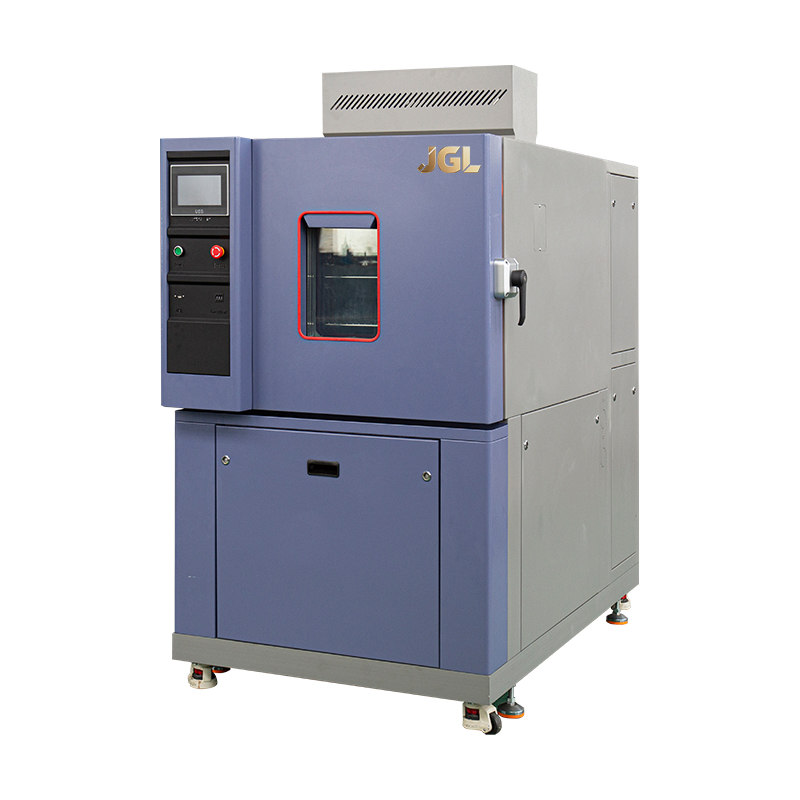
UTH-100-A Alternating High/Low Temperature Humidity Chamber
-
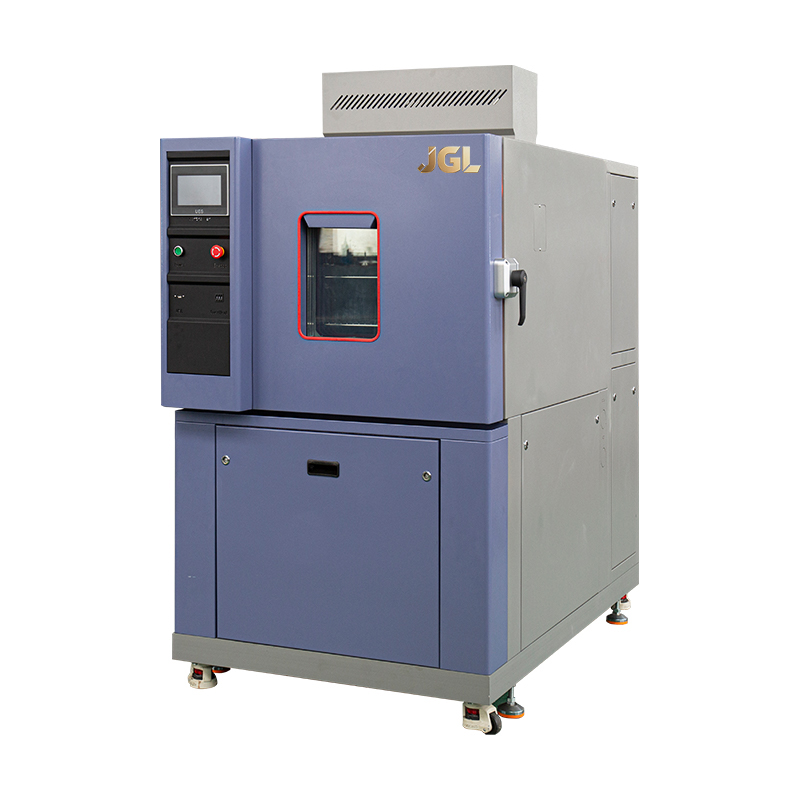
UTH-150-A High-Low Temperature Humidity Cycling Chamber
-
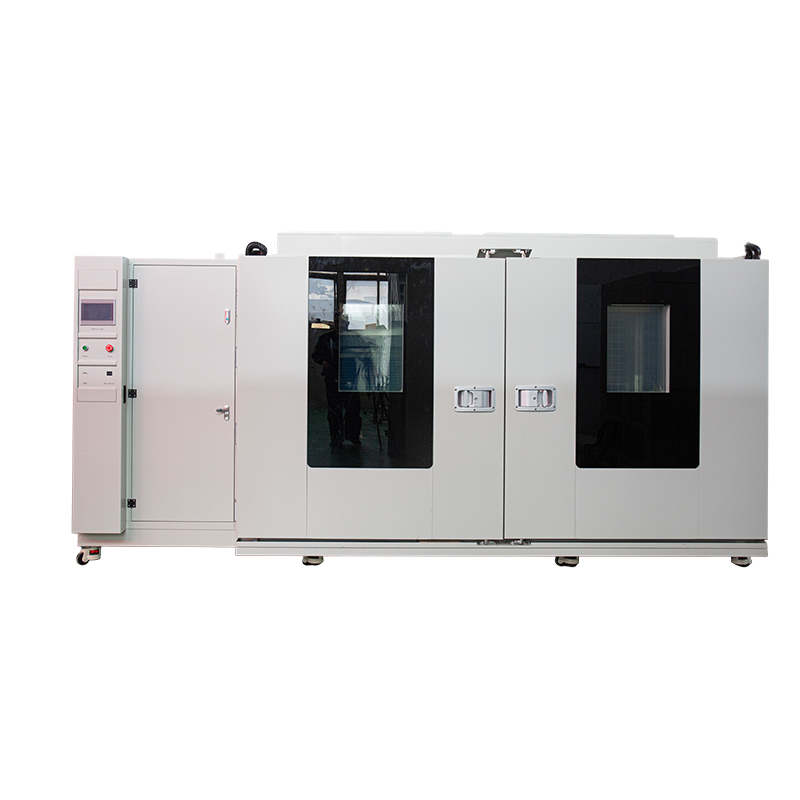
U2T(H)-EXZ2-W Walk-In Dual-Layer Explosion-Proof Temperature & Humidity Chamber
-
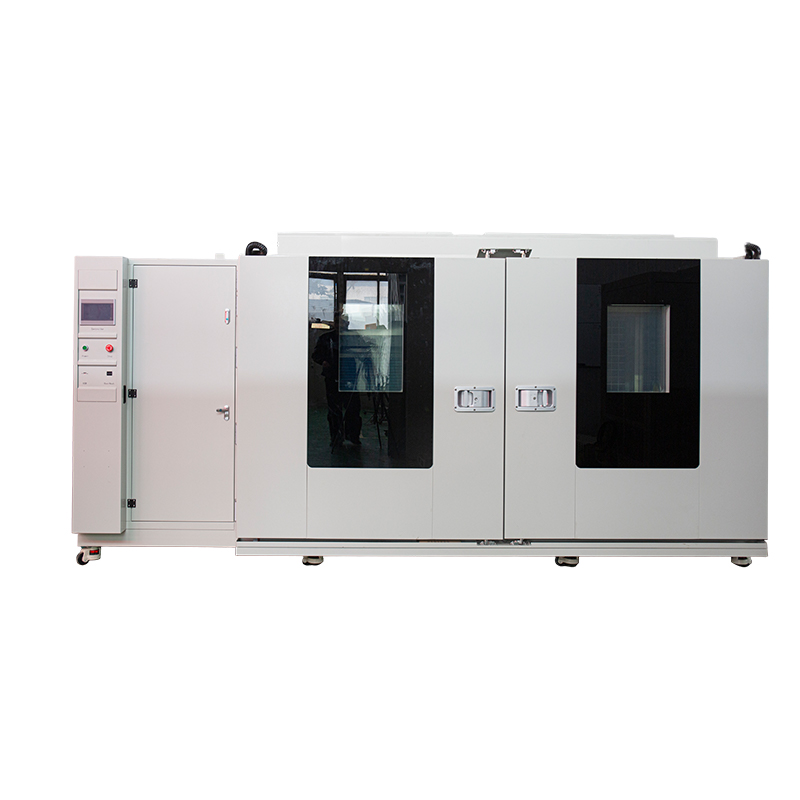
U2T(H)-EXZ3-W Large Walk-In Explosion-Proof Thermal and Humidity Chamber
-
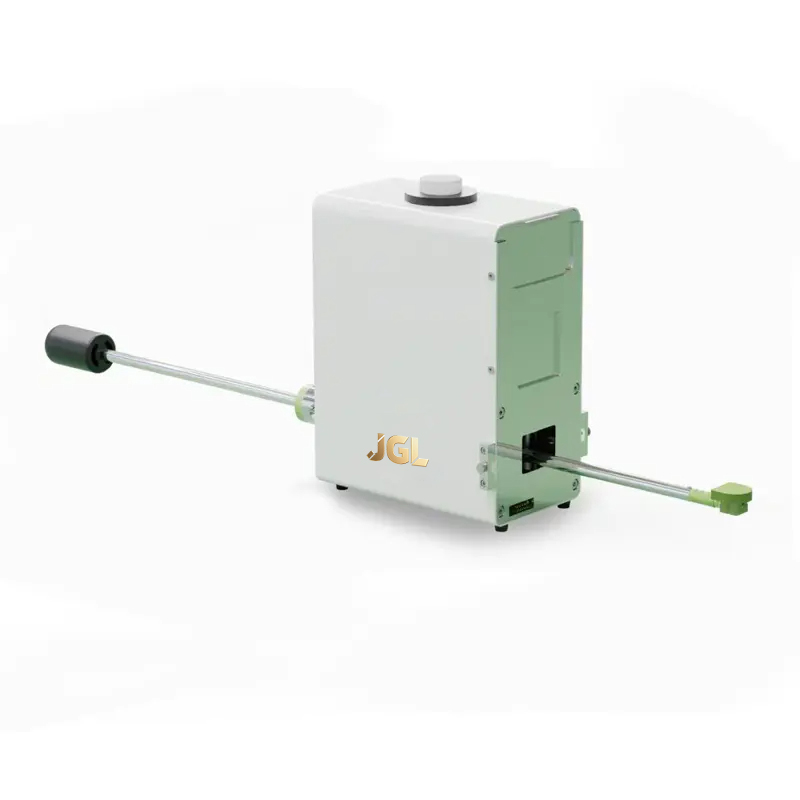
CVC100 High-Precision Vacuum Cryogenic Sample Transfer Chamber for Laboratory Use
-
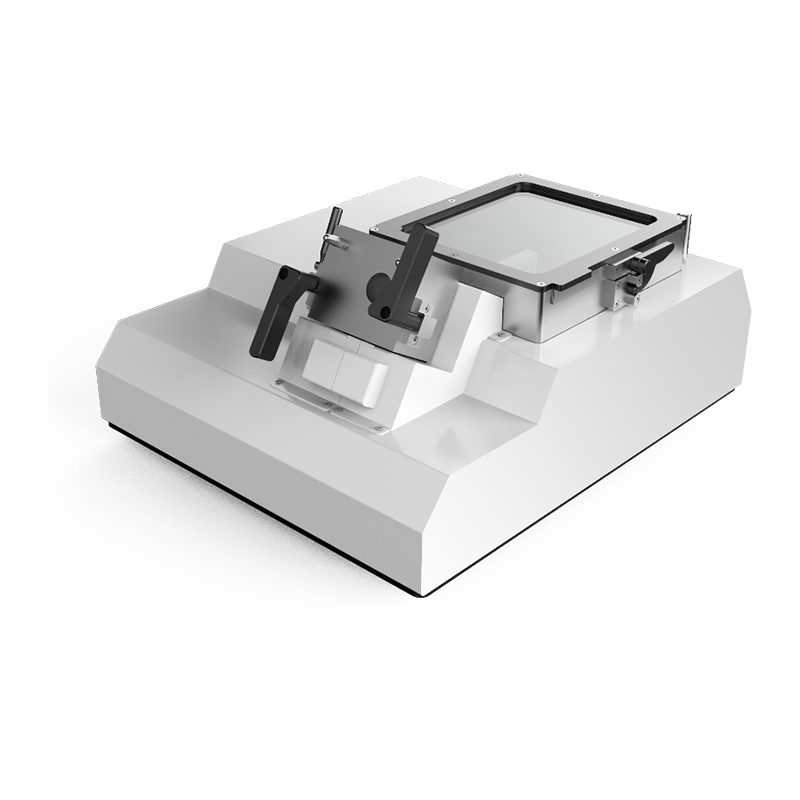
LNS200 Liquid Nitrogen Laboratory Workbench with Integrated Cryogenic Handling
-
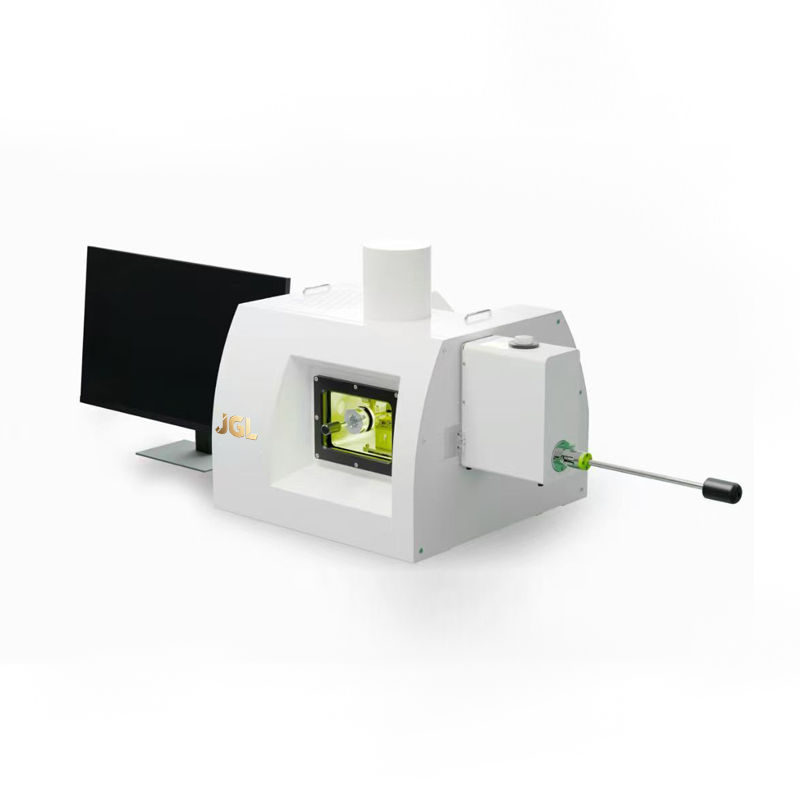
MSC300 Multi-Functional Cryogenic Chamber for Advanced Laboratory Applications
-
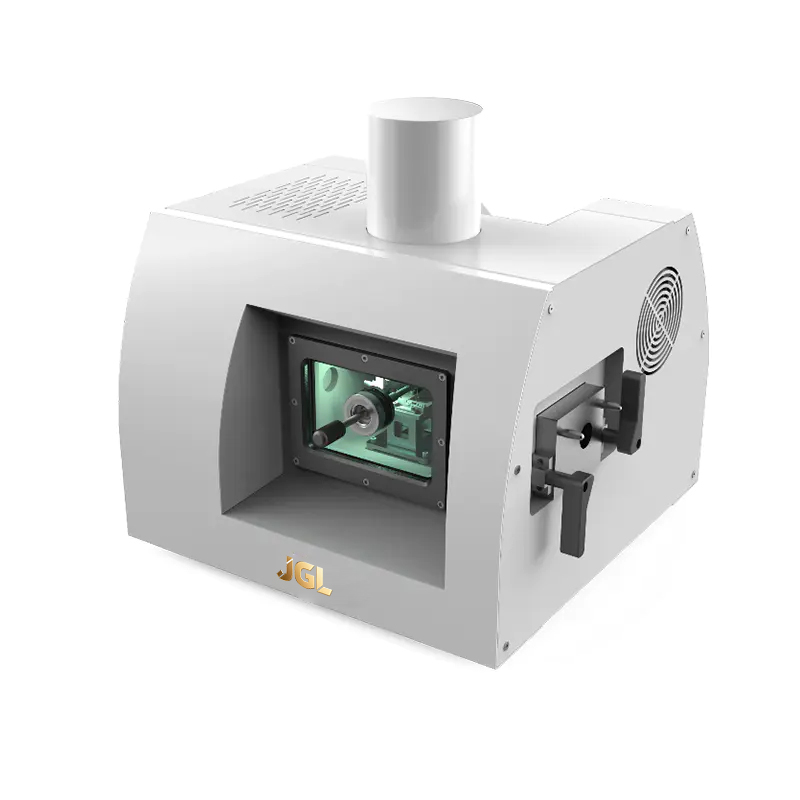
MSC310 Cryogenic Environmental Chamber for Low-Temperature Sample Preparation and Analysis
Message Feedback
About Us
JIANGSU BAISHENG INDUSTRIAL CO., LTD.
Specializing in the research and development, as well as the
supply of laboratory equipment and safety compliance testing instruments.
JIANGSU BAISHENG INDUSTRIAL CO., LTD. is China Custom Materials Testing Equipment Manufacturers and High-Precision Material Testing Machine Suppliers, a technology-driven enterprise specializing in the research, development, and supply of high-end laboratory equipment and safety testing instruments. By seamlessly integrating innovative engineering with professional international trade expertise, we have established a solid reputation within the industry. Unlike traditional trading companies, our core advantage lies in our dedicated R&D team, which focuses on precision design and technical excellence to ensure that every product meets rigorous technical specifications. We are committed to continuous innovation and the constant refinement of our product lines, providing our partners with reliable, customized solutions. We offer Custom Material Science Research Tools for sale.

JIANGSU BAISHENG INDUSTRIAL CO., LTD.
Certificate Of Honor
What’s News
Industry Insights & Updates
View All News
-
2026-09-03Industry News
-
2026-08-25Industry News
-
2026-08-20Industry News
-
2026-08-07Industry News
-
2026-07-30Industry News
Industry Knowledge
The Essential Guide to Materials Testing Equipment: Precision, Standards, and Selection
In the modern industrial and research landscape, the integrity of a structure, the safety of a vehicle, or the reliability of a medical implant hinges on one critical factor: accurate material characterization. Whether you are developing next-generation composites in a university laboratory or performing quality assurance on a high-volume production line, the data derived from Materials Testing Equipment is non-negotiable. This article provides a comprehensive, technical yet accessible overview of the core principles, machine classifications, and key considerations for selecting the right system. We delve into the nuances of High-Precision Material Testing Machine configurations and explore the essential role of Material Science Research Tools in driving innovation forward.
Understanding the mechanical behavior of solids under load is not merely about applying force until failure; it is about capturing the subtle elastic and plastic responses that define performance. By integrating advanced metrology with robust mechanical design, modern systems ensure that every data point translates directly into better product reliability and regulatory compliance.
1. Classification of Universal and Specialized Testing Systems
The term "Materials Testing Equipment" encompasses a broad spectrum of apparatus, but for the purpose of engineering and procurement clarity, systems are generally divided by the type of load application and the scale of the specimen. The primary division lies between universal machines for tension/compression and specialized instruments for dynamic or surface properties.
Below is a breakdown of the most utilized categories in both industrial quality control and academic Material Science Research Tools:
- Universal Testing Machines (UTM): The workhorse of any mechanical lab, capable of tensile, compression, flexural, and peel testing. These range from single-column tabletop units for low-force polymers to servo-hydraulic floor-standing frames for high-capacity metals.
- Servo-Hydraulic Dynamic Testers: Essential for fatigue life analysis. These systems apply cyclic loading (millions of cycles) to simulate real-world service conditions in aerospace alloys and automotive suspension components.
- Impact Testers (Charpy/Izod): Crucial for determining material toughness and notch sensitivity, especially in metals used for cryogenic or sub-zero temperature applications.
- Hardness Testers: Ranging from Rockwell and Brinell for macro-indentation to Vickers and Knoop for micro-hardness mapping of coatings and thin films.
- Advanced Rheometers and DMA: Used specifically for viscoelastic materials (polymers, elastomers) to analyze behavior over a range of temperatures and frequencies.
Selecting between a purely static system and a dynamic actuator is a fundamental decision that impacts not only budget but also the depth of material characterization possible. The following comparison illustrates the technical distinctions between common frame types found in a High-Precision Material Testing Machine lineup.
| Machine Type | Primary Drive Mechanism | Typical Force Capacity | Best Suited Application |
| Electromechanical UTM (Single Column) | Precision Ball Screw & Servo Motor | Up to 5 kN (1124 lbf) | Biomedical textiles, thin films, fine wire, adhesive peel testing. |
| Electromechanical UTM (Dual Column) | Precision Ball Screws & AC Servo Drive | 5 kN - 600 kN | High-strength metals, composites, rebar tensile, concrete compression. |
| Servo-Hydraulic Dynamic | Hydraulic Actuator with Servo-Valve Control | 25 kN - 2000+ kN | Low-Cycle Fatigue (LCF), High-Cycle Fatigue (HCF), fracture mechanics. |
| Pneumatic (Air Burst/Proof) | Compressed Gas/Pneumatic Cylinder | Variable Pressure (psi/MPa) | Packaging integrity, medical balloon burst strength, pressure vessel testing. |
2. The Critical Role of Precision and Metrology in Data Integrity
In the realm of Materials Testing Equipment, the difference between a "result" and a "reliable result" lies entirely in the precision of the measurement chain. A machine may be capable of applying 100 kN of force, but if the strain measurement is off by 1%, the calculated Young's Modulus could lead to a catastrophic engineering miscalculation. Therefore, the discussion of High-Precision Material Testing Machine specifications must go beyond the load frame capacity to include the sensors and control algorithms.
Key factors influencing precision and repeatability include:
- Closed-Loop Control Rate: Modern digital controllers operate at kHz speeds (e.g., 2.5 kHz or higher). This ensures the machine instantaneously adjusts motor speed to maintain a constant strain rate as defined by ISO 6892 or ASTM E8, even as the specimen cross-section changes during necking.
- Extensometer Technology: While crosshead displacement is a rough indicator, true precision requires direct specimen contact via clip-on extensometers or non-contact video extensometers. Advanced Material Science Research Tools often utilize Digital Image Correlation (DIC) for full-field 3D strain mapping.
- Calibration and Traceability: Load cells must be calibrated per ASTM E4 and ISO 7500-1 standards. The uncertainty of measurement (UOM) must be documented and traceable to NIST or equivalent national metrology institutes.
- Stiffness of the Load Frame: A compliant (flexible) frame absorbs energy that should be going into the specimen, leading to erroneously low modulus readings and crosshead reversal issues during compression.
Understanding the alignment of the load string is equally critical, particularly when testing brittle materials like ceramics or high-modulus carbon fiber composites. A misalignment of just 0.1 mm/m can induce bending stresses that reduce the recorded tensile strength by 30-40%. Modern High-Precision Material Testing Machine designs incorporate self-aligning grips and finely adjustable base plates to mitigate these parasitic stresses.
3. Advanced Research Tools: Beyond Tensile Strength
While the universal tester confirms baseline mechanical properties, advanced Material Science Research Tools are required to understand why a material behaves the way it does. These instruments often interface with environmental chambers or specialized fixtures to simulate extreme operational conditions.
Integrating these tools into a laboratory workflow accelerates the development of new alloys, polymers, and bio-compatible scaffolds. Consider the following advanced modalities:
- Environmental Simulation: Chambers that integrate with UTMs to test from -80°C (cryogenic) up to 1200°C (refractory metals). Testing polymers at their glass transition temperature (Tg) requires precise, uniform heating.
- Biaxial and Planar Testing: Materials like soft tissue, elastomers, and architectural membranes rarely experience simple uniaxial tension. Biaxial extensometers and planar biaxial test rigs provide the constitutive model data needed for Finite Element Analysis (FEA).
- Fracture Mechanics and Fatigue Crack Growth: Using COD (Crack Opening Displacement) gauges and compliance methods to determine K1C (fracture toughness) and da/dN curves under cyclic loading.
- Nanoindentation and Micro-Compression: Tools essential for characterizing thin film hardness and elastic modulus on semiconductor wafers or thermal barrier coatings where bulk testing is impossible.
The synergy between a robust High-Precision Material Testing Machine and these specialized research accessories is what separates a routine QC lab from a world-class research facility.
3.1 Interpreting Data: The Stress-Strain Curve Decoded
The primary output of most Materials Testing Equipment is the engineering stress-strain curve. For the non-specialist, it is a plot of force versus deformation normalized by specimen dimensions. For the engineer, it is a biography of the material's mechanical life. Below is a quick reference for the key regions of a typical ductile metal curve:
- Elastic Region (Linear Portion): Slope equals Young's Modulus (E). Material returns to original shape. This is the stiffness used in beam deflection calculations.
- Yield Point (Offset 0.2%): The stress at which permanent plastic deformation begins. Design safety factors are almost always based on staying below this value.
- Ultimate Tensile Strength (UTS): The maximum engineering stress the material can withstand. Important for crashworthiness and one-time overload scenarios.
- Necking and Fracture: Localized reduction in cross-sectional area leading to failure. The area under the curve represents the material's toughness (energy absorption capacity).
4. Selecting the Right Configuration for Your Application
Choosing the appropriate configuration of Materials Testing Equipment involves a systematic analysis of current testing needs and future research aspirations. It is rarely a one-size-fits-all decision. A laboratory focusing on orthopedic implant testing has drastically different requirements (e.g., saline bath, high cycle fatigue in compression) than a metals foundry checking cast iron tensile bars.
Key considerations in the selection process should be prioritized as follows:
- Force Capacity and Range: Never select a machine where your tests consistently utilize less than 2% or more than 95% of the load cell capacity. Accuracy specifications typically degrade at the extreme low end of the range. Consider dual-range load cells or interchangeable cells for a High-Precision Material Testing Machine setup.
- Vertical Test Space and Stroke: High-elongation materials like rubber or certain polymers may require over 1000mm of travel to reach failure.
- Grip Selection and Specimen Geometry: Wedge grips for metals, pneumatic side-action grips for composites and plastics, and capstan grips for yarn/textiles. The interface is often the source of data scatter.
- Software and Data Export: Does the software comply with 21 CFR Part 11 for electronic records/signatures (critical for FDA-regulated medical devices)? Can it export raw data to CSV for custom analysis in Python or MATLAB?
- Compliance with Standards: Ensure the system can natively run methods for ASTM E8, ASTM D638, ISO 527, ASTM D790, ISO 178, etc.
Our technical approach emphasizes modularity. A base frame configured as a simple tensile tester today can be upgraded with a video extensometer and thermal chamber tomorrow, effectively transforming QC Materials Testing Equipment into sophisticated Material Science Research Tools without requiring a complete capital replacement. This future-proofing approach provides long-term value and adaptability for evolving laboratory demands.
5. Maintenance and Best Practices for Long-Term Accuracy
The longevity and accuracy of High-Precision Material Testing Machine investments are directly correlated with the rigor of the maintenance protocol. Due to the high forces and precise alignment required, neglect can lead to gradual drift in calibration and, ultimately, mechanical failure of the drive train or hydraulic manifold.
Adhering to a strict schedule ensures that your data remains defensible during audits and that your research outcomes are reproducible. Essential maintenance activities include:
- Bi-Annual Calibration Verification: Do not wait for the annual calibration certificate. Perform monthly checks with a traceable proving ring or electronic load standard to detect early drift in the load cell signal conditioner.
- Lead Screw Lubrication: Electromechanical machines require specific high-pressure, low-volatility grease on the ball screws. Over-lubrication attracts dust; under-lubrication causes scoring and backlash.
- Hydraulic Fluid Analysis: For servo-hydraulic Materials Testing Equipment, the cleanliness of the hydraulic fluid (ISO 4406 particulate count) is paramount. Contaminated oil destroys servo-valves, which are the most expensive and sensitive component of the system.
- Grip Jaw Inspection: Worn or serrated grip faces will slip under load, invalidating modulus measurements. Replace grip inserts according to the manufacturer's recommended cycle count or when visual wear is evident.
FAQ
What is the difference between a Universal Testing Machine (UTM) and a Dynamic Testing Machine?
A Universal Testing Machine (UTM), typically electromechanical, is optimized for static or quasi-static tests where the load is applied slowly and in one primary direction until failure (e.g., tensile strength of a bolt). A Dynamic Testing Machine, which is usually servo-hydraulic, is designed to apply rapidly changing loads (cyclic fatigue) to simulate millions of miles of driving or years of bridge vibration. While both are Materials Testing Equipment, UTMs measure strength, while dynamic machines measure durability and lifespan under repeated stress.
How often should a High-Precision Material Testing Machine be calibrated?
Industry best practices and international standards like ISO 7500-1 and ASTM E4 recommend a full calibration verification of the load measurement system at least once every 12 months. However, for laboratories operating under strict quality systems (ISO 17025) or those using the machine as a High-Precision Material Testing Machine for critical aerospace or medical components, a 6-month interval is strongly advised. Additionally, any time the load cell is changed or the machine is physically moved, an immediate calibration check is required to ensure the integrity of the data.
What are the most common mistakes made when testing plastics versus metals?
Testing plastics requires a different approach within Materials Testing Equipment setups due to their viscoelastic nature. The most common errors include: 1) Strain Rate Sensitivity: Plastics are highly sensitive to testing speed; a small increase in crosshead speed significantly increases yield strength and decreases elongation. 2) Grip Pressure: Excessive pneumatic grip pressure causes premature jaw breaks in plastics like polycarbonate or acrylic. 3) Extensometer Knife Edges: The sharp edges of metal-testing extensometers can cut into soft thermoplastics, initiating failure at the contact point. Using non-contact video extensometers is the preferred method for precise Material Science Research Tools in polymer labs.
Can I test high-temperature alloys up to 1000°C with standard grips?
No. Standard wedge grips and pull rods are made from tool steel, which loses its mechanical properties rapidly above 300-400°C. To conduct valid tests at elevated temperatures as part of advanced Material Science Research Tools application, the load string (pull rods and grips) must be manufactured from high-temperature superalloys (such as Inconel 718 or Rene 41) or advanced ceramics (Silicon Carbide). Additionally, extensometry must be either non-contact (laser/video viewing through a window) or use high-temperature capacitance sensors with ceramic extension rods that reach into the furnace hot zone.
What is the significance of a "Closed-Loop" control system in a High-Precision Material Testing Machine?
In a closed-loop control system, a sensor (load cell, extensometer, or LVDT) provides real-time feedback to the motor controller thousands of times per second. The controller compares the actual reading to the target setpoint and instantly adjusts motor power to eliminate any error. For example, during an ASTM E8 metal tensile test, the machine must maintain a constant strain rate even after the specimen begins to yield and the required force drops. Without a closed-loop High-Precision Material Testing Machine system, the crosshead would uncontrollably accelerate during yield, resulting in invalid upper/lower yield strength readings and non-compliant data.
How do I ensure my Materials Testing Equipment is compliant with the latest ASTM/ISO standards?
Compliance is a combination of hardware capability and software execution. First, verify the load frame's stiffness and alignment meet ASTM E1012 Class 5 or better. Second, ensure the control software is actively maintained to include the latest revisions of the specific test method (e.g., ASTM D638-22). Third, the measurement uncertainty of the load and strain channels must fall within the tolerance specified in the standard. Finally, regular participation in Proficiency Testing Programs (PTP) is the only way to objectively prove that your laboratory's use of the Materials Testing Equipment is statistically accurate compared to global peer labs.
Quick Link
Contact Information
- Tel: +86-13861043568
- E-mail: 1840784112@qq.com
- Add: Tianting District, Changzhou City, Jiangsu Province, China, No. 6 Hecircuit
Scan Code
Copyright © JIANGSU BAISHENG INDUSTRIAL CO., LTD.
All Rights Reserved. PrivacyCustom Material Science Research Tools Suppliers
