 English
 Español
product
product
product
product
product
product
product
product
product
product
product
product
product
product
product
product

Product Series
-
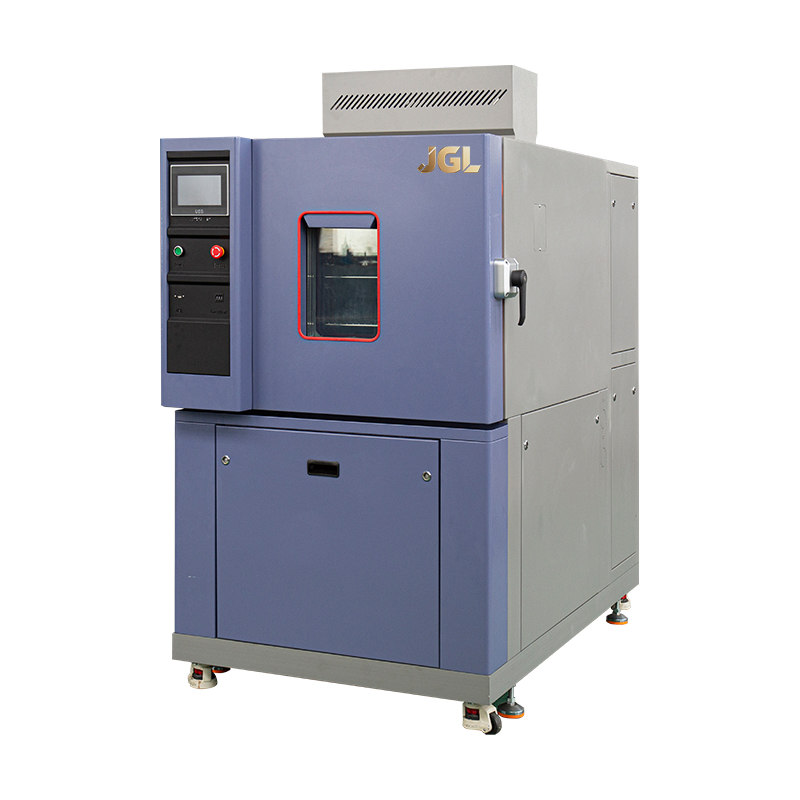
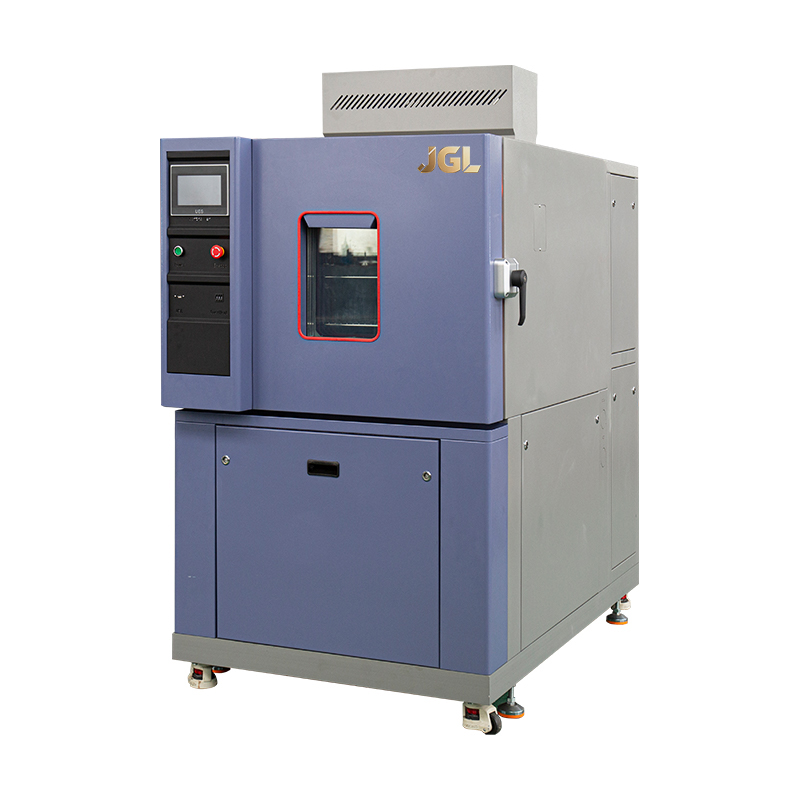
Environmental Test Chambers
- Double-Layer Explosion-Proof High and Low Temperature Test Chamber
- High and Low Temperature Test Chamber
- Two-Section Thermal Shock Test Chamber
- Rapid Temperature Change Humidity Test Chamber
- Cyclic High and Low Temperature Humidity Test Chamber
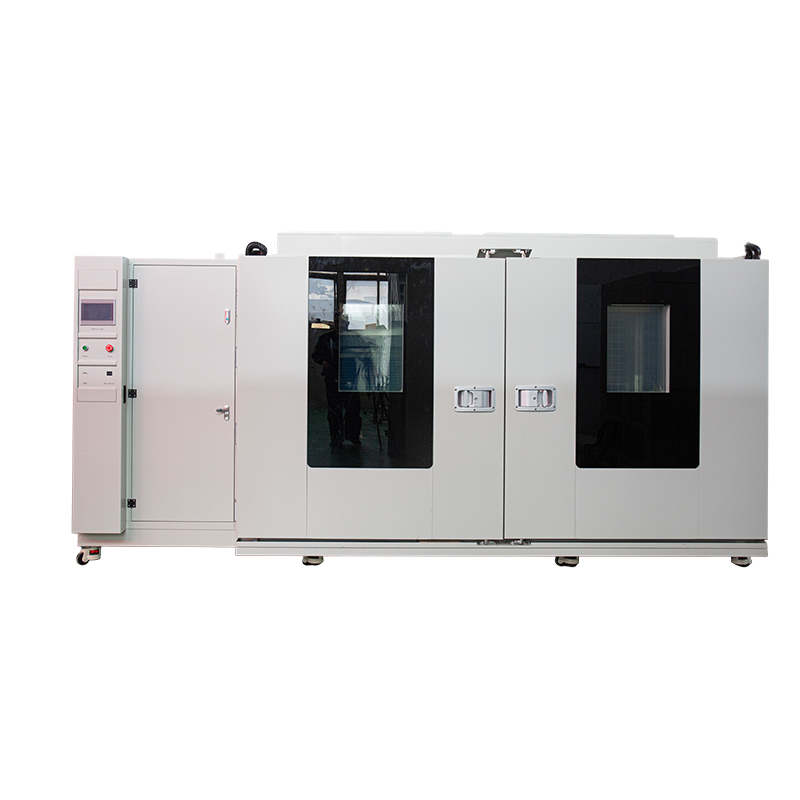
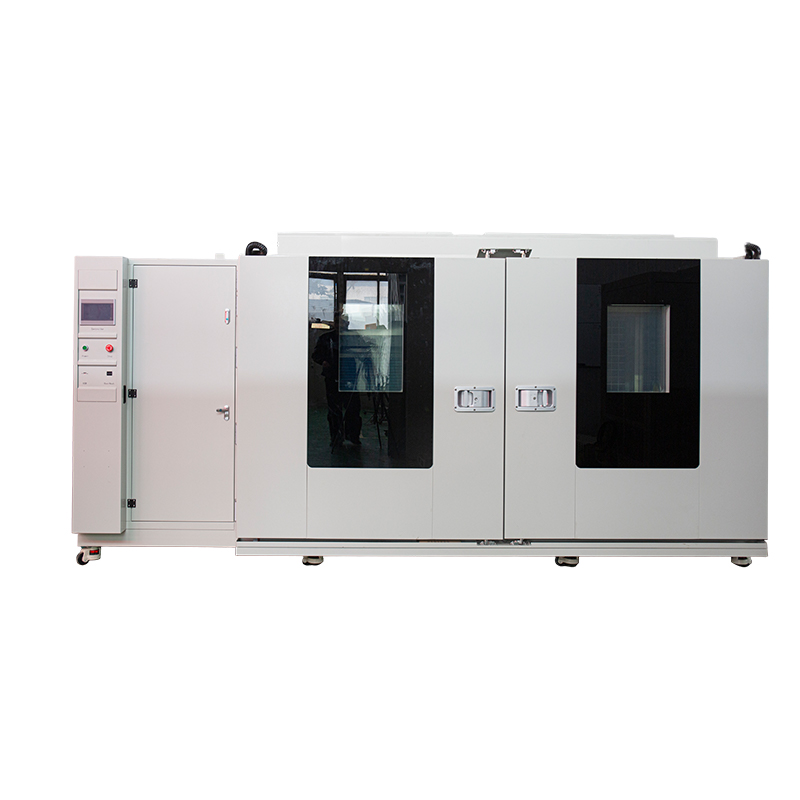
- Walk-In Explosion-Proof High and Low Temperature Humidity Test Chamber
- Vacuum Cryogenic Transport Device
- Electronic Test Instruments
Product Category
-
Environmental Test Chambers
- Double-Layer Explosion-Proof High and Low Temperature Test Chamber
- High and Low Temperature Test Chamber
- Two-Section Thermal Shock Test Chamber
- Rapid Temperature Change Humidity Test Chamber
- Cyclic High and Low Temperature Humidity Test Chamber
- Walk-In Explosion-Proof High and Low Temperature Humidity Test Chamber
- Vacuum Cryogenic Transport Device
- Electronic Test Instruments
Contact us
 +86-13861043568
Custom Environmental Test Chambers Manufacturers
Message Feedback
About Us
JIANGSU BAISHENG INDUSTRIAL CO., LTD.
Specializing in the research and development, as well as the
supply of laboratory equipment and safety compliance testing instruments.
JIANGSU BAISHENG INDUSTRIAL CO., LTD. is China Custom Environmental Testing Chambers Equipment Manufacturers and Temperature Humidity Test Chamber Suppliers, a technology-driven enterprise specializing in the research, development, and supply of high-end laboratory equipment and safety testing instruments. By seamlessly integrating innovative engineering with professional international trade expertise, we have established a solid reputation within the industry. Unlike traditional trading companies, our core advantage lies in our dedicated R&D team, which focuses on precision design and technical excellence to ensure that every product meets rigorous technical specifications. We are committed to continuous innovation and the constant refinement of our product lines, providing our partners with reliable, customized solutions. We offer Custom Environmental Simulation Chamber for sale.

JIANGSU BAISHENG INDUSTRIAL CO., LTD.
Certificate Of Honor
What’s News
Industry Insights & Updates
View All News
-
2026-09-17Industry News
-
2026-09-10Industry News
-
2026-09-03Industry News
-
2026-08-25Industry News
Industry Knowledge
The Ultimate Guide to Selecting Environmental Test Chambers for Modern Industry
Understanding Environmental Test Chambers and Their Role in R&D
In the highly competitive landscape of modern manufacturing, ensuring product reliability is non-negotiable. Environmental Test Chambers are specialized enclosures designed to simulate specific environmental conditions, allowing engineers to evaluate how products withstand extreme stressors over time. As a fundamental category of Environmental Testing Equipment, these systems play a pivotal role in identifying design flaws before products reach the consumer market. By applying precise thermal and mechanical stresses, manufacturers can significantly reduce warranty claims and enhance safety standards.
- Simulating real-world environmental stressors including extreme temperatures, humidity, and vibrations
- Accelerated life testing to predict long-term product durability and mean time between failures (MTBF)
- Compliance verification for international safety and quality standards such as IEC, MIL-STD, and ISO
Core Categories of Environmental Testing Equipment
Not all testing requirements are identical. A technology-driven approach to product development requires diverse testing solutions tailored to specific industry demands. Depending on the target environment and the materials being tested, engineers must select the appropriate type of Environmental Testing Equipment to yield accurate, repeatable data.
- Thermal Chambers: Focus exclusively on extreme hot and cold cycling for electronic components and battery testing.
- Corrosion Test Cabinets: Utilize salt spray (fog) to evaluate the rust resistance of metallic coatings and surface treatments.
- Walk-in Chambers: Large-scale rooms designed for testing oversized payloads, such as complete automotive assemblies or large industrial crates.
Deep Dive: The Temperature Humidity Test Chamber
Among the various types of testing apparatus, the Temperature Humidity Test Chamber is arguably the most widely utilized across multiple sectors. This equipment meticulously controls both thermal and moisture parameters, replicating everything from tropical climates to freezing, dry environments. The synergy between heat and moisture can drastically accelerate material degradation, making this chamber essential for validating seals, adhesives, and electronic enclosures.
- Utilizes advanced PID microprocessor controllers for highly stable, fluctuation-free environmental regulation
- Employs stainless steel interiors to prevent corrosion from prolonged high-humidity exposure
- Features a raised floor or shelf system optimized for uniform airflow distribution across the test payload
Key Specifications to Evaluate
When procuring a Temperature Humidity Test Chamber, technical specifications dictate the true capability of the system. Evaluating these parameters ensures the selected equipment aligns perfectly with your testing protocols and throughput requirements.
- Temperature range (e.g., -70°C to +150°C) and humidity range (e.g., 10% to 98% RH)
- Temperature ramp rates and humidity transition speeds for dynamic profile testing
- Cooling system configuration (air-cooled vs. water-cooled) based on laboratory ambient conditions
The Advanced Capabilities of an Environmental Simulation Chamber
For applications requiring multi-stress integration, an Environmental Simulation Chamber provides a highly sophisticated testing environment. Unlike standard single-variable chambers, these advanced systems can combine temperature, humidity, vibration, and even altitude simulation simultaneously. This multi-axis approach is crucial for aerospace, automotive, and defense sectors where components are subjected to complex, overlapping environmental stresses during actual operation.
- Combined temperature-humidity-vibration (HALT/HASS) testing to uncover latent manufacturing defects
- Altitude simulation capabilities for aeronautical electronics and high-altitude drone components
- Seamless integration with data acquisition systems for real-time monitoring and complex profile execution
Comparative Analysis: Selecting the Right Chamber Type
Choosing between standard thermal testing and multi-variable simulation requires a clear understanding of your product's operational environment. While a basic thermal unit might suffice for consumer electronics, an integrated system is necessary for mission-critical hardware. The table below provides a direct comparison to assist engineers in making an informed procurement decision based on their specific testing matrices.
| Feature | Standard Temperature Humidity Test Chamber | Advanced Environmental Simulation Chamber |
| Primary Stressors | Temperature and Humidity | Temperature, Humidity, Vibration, Altitude |
| Ideal Applications | Consumer electronics, pharmaceuticals, battery storage | Aerospace, automotive drivetrains, military hardware |
| Complexity Level | Moderate (single or dual variable control) | High (synchronized multi-variable control) |
| Investment Level | Standard capital expenditure | Premium capital expenditure |
| Compliance Focus | IEC 60068, standard reliability protocols | MIL-STD-810, HALT/HASS methodologies |
Engineering Excellence in Manufacturing
The reliability of Environmental Test Chambers heavily depends on the underlying engineering and precision design. A dedicated R&D approach ensures that every unit delivers rigorous technical performance. Unlike conventional trading entities, a manufacturer with in-house engineering capabilities focuses on technical excellence, offering customized solutions tailored to unique laboratory constraints and specific testing profiles.
- Precision-machined refrigeration systems utilizing eco-friendly refrigerants for sustainable, long-term operation
- Custom cabinetry and modular designs to fit specific facility footprints and cleanroom requirements
- Rigorous factory acceptance testing (FAT) with certified calibration certificates prior to deployment
FAQ
What is the standard lifespan of Environmental Test Chambers?
The operational lifespan of Environmental Test Chambers typically ranges from 10 to 15 years, heavily dependent on usage frequency, maintenance rigor, and the quality of core components like compressors and controllers. Preventative maintenance—such as cleaning condenser coils, calibrating sensors annually, and inspecting door gaskets—is critical to maximizing this lifespan. Investing in equipment backed by a dedicated R&D team ensures that high-wear parts are designed for easy replacement, thereby extending the chamber's operational viability and ensuring continuous testing accuracy.
How does a Temperature Humidity Test Chamber differ from a standard thermal chamber?
While both devices manipulate temperature, a Temperature Humidity Test Chamber incorporates a sophisticated moisture generation and removal system (typically using steam generators and dry-air mechanisms) that a standard thermal chamber lacks. This allows the system to simulate highly specific climatic conditions, such as tropical humidity or cold-dry winters. The inclusion of moisture testing is vital for evaluating hygroscopic materials, assessing seal integrity, and conducting highly accelerated stress testing (HAST) where the combination of heat and moisture exponentially accelerates potential failure modes in electronics.
Why invest in an Environmental Simulation Chamber for automotive testing?
Automotive components rarely experience a single environmental stressor in isolation. An under-hood electronic control unit, for example, is simultaneously subjected to engine heat, road-induced vibrations, and external humidity. An Environmental Simulation Chamber replicates these combined stresses in a controlled laboratory setting. By conducting Highly Accelerated Life Testing (HALT) within these chambers, automotive engineers can identify weak points in circuit board solder joints or mechanical brackets early in the design phase, drastically reducing the risk of costly field failures and vehicle recalls.
What factors affect the energy efficiency of Environmental Testing Equipment?
The energy consumption of Environmental Testing Equipment is influenced by several architectural and operational factors. High-quality thermal insulation (such as high-density polyurethane foam) minimizes heat transfer. Additionally, the use of variable frequency drives (VFDs) on refrigeration compressors allows the system to modulate cooling capacity precisely to the current load, rather than cycling on and off aggressively. Furthermore, ergonomic design features like minimized door opening surface area and efficient internal airflow routing significantly reduce the thermal load, lowering overall power consumption without compromising testing performance.
Can Environmental Test Chambers be customized for specific cleanroom standards?
Yes, advanced Environmental Test Chambers can be engineered to meet strict cleanroom integration requirements, such as ISO Class 5 or Class 7 standards. Customizations include the use of electropolished stainless steel interiors to prevent particle accumulation, HEPA filtration systems for internal air circulation, and specialized gasketing that minimizes outgassing. A technology-driven manufacturer with a dedicated R&D team can modify the chamber's design to ensure it seamlessly interfaces with existing facility cleanroom walls, maintaining positive pressure differentials and preventing external contamination during critical semiconductor or medical device testing.
Quick Link
Contact Information
- Tel: +86-13861043568
- E-mail: 1840784112@qq.com
- Add: Tianting District, Changzhou City, Jiangsu Province, China, No. 6 Hecircuit
Scan Code
Copyright © JIANGSU BAISHENG INDUSTRIAL CO., LTD.
All Rights Reserved. PrivacyCustom Environmental Simulation Chamber Suppliers
